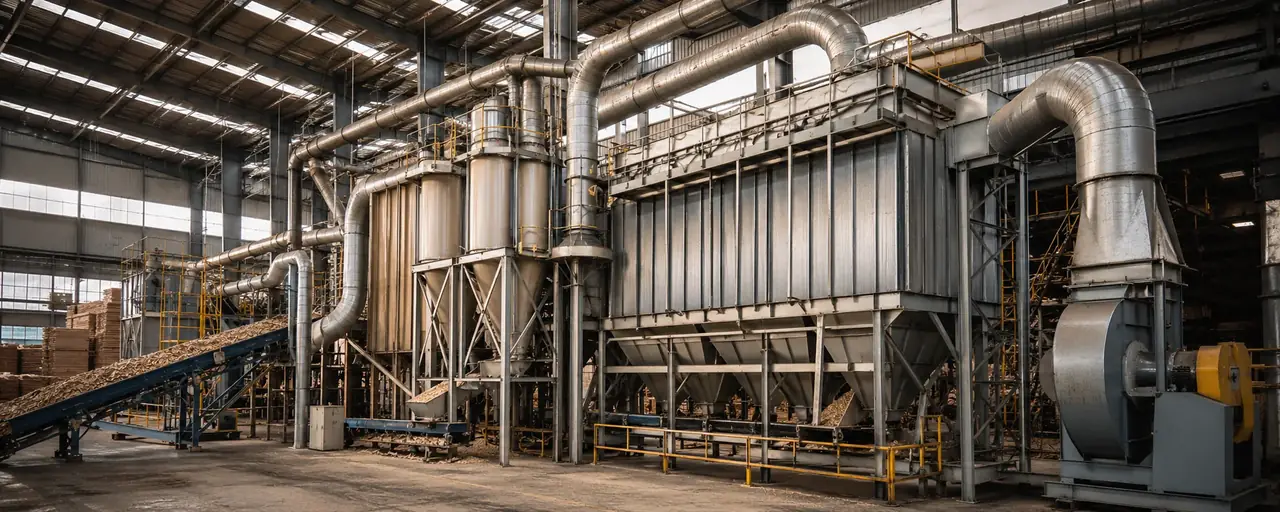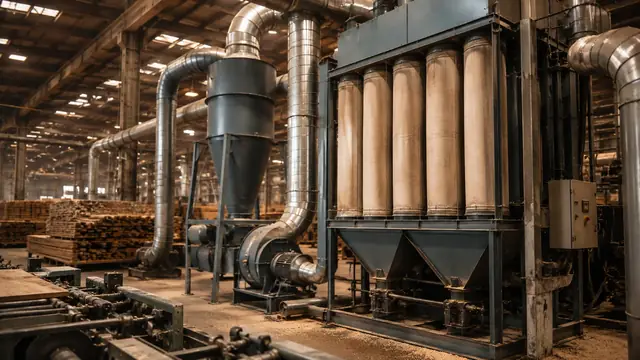
Silos, Filters and Dust Extraction
Condition
Category
Price Range
Equipment Type
Drive
Filters
Condition
Lorem ipsum dolor ist amte, consectetuer adipiscing eilt. Aenean commodo ligula egget dolor. Aenean massa. Cum sociis natoque penatibus et magnis dis parturient montes, nascetur ridiculus mus. Donec quak felis, ultricies nec, pellentesque eu, pretium quid, sem.
Category
Price Range
Equipment Type
Drive
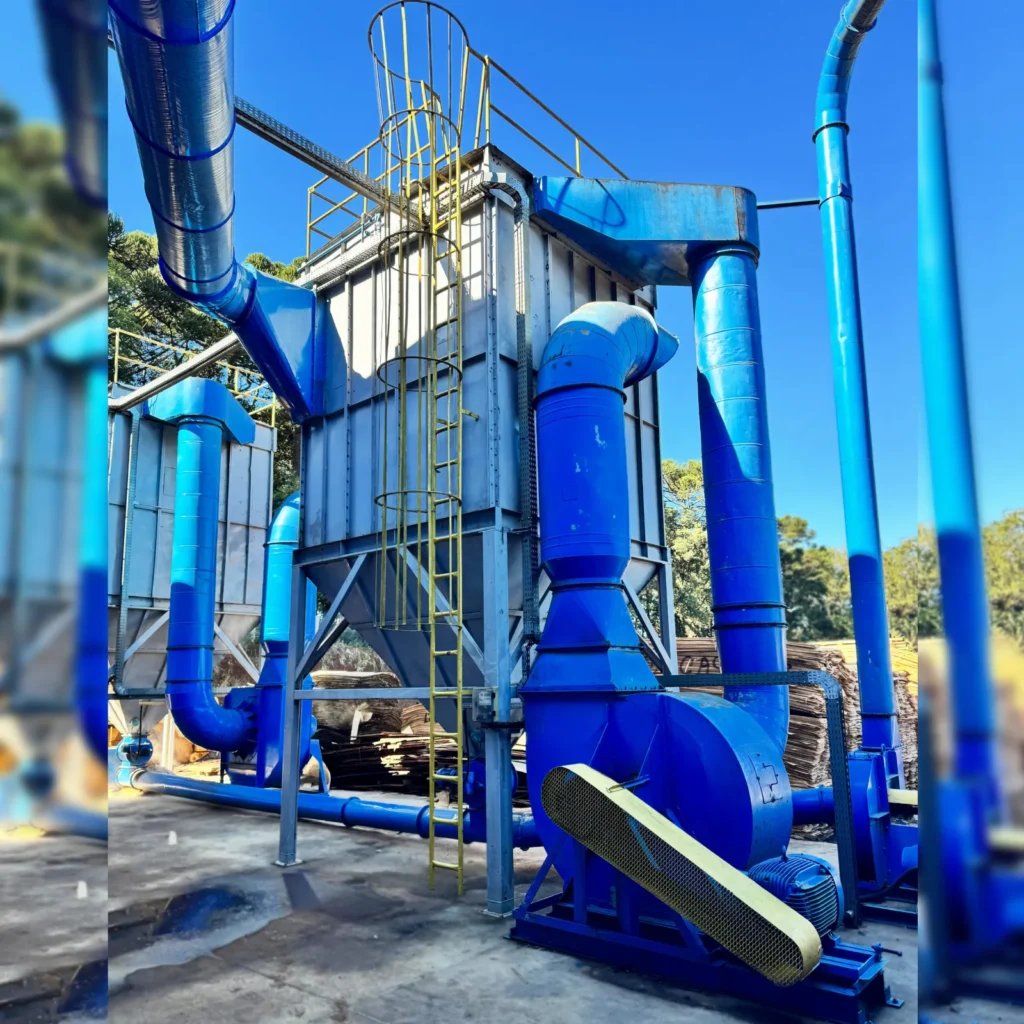
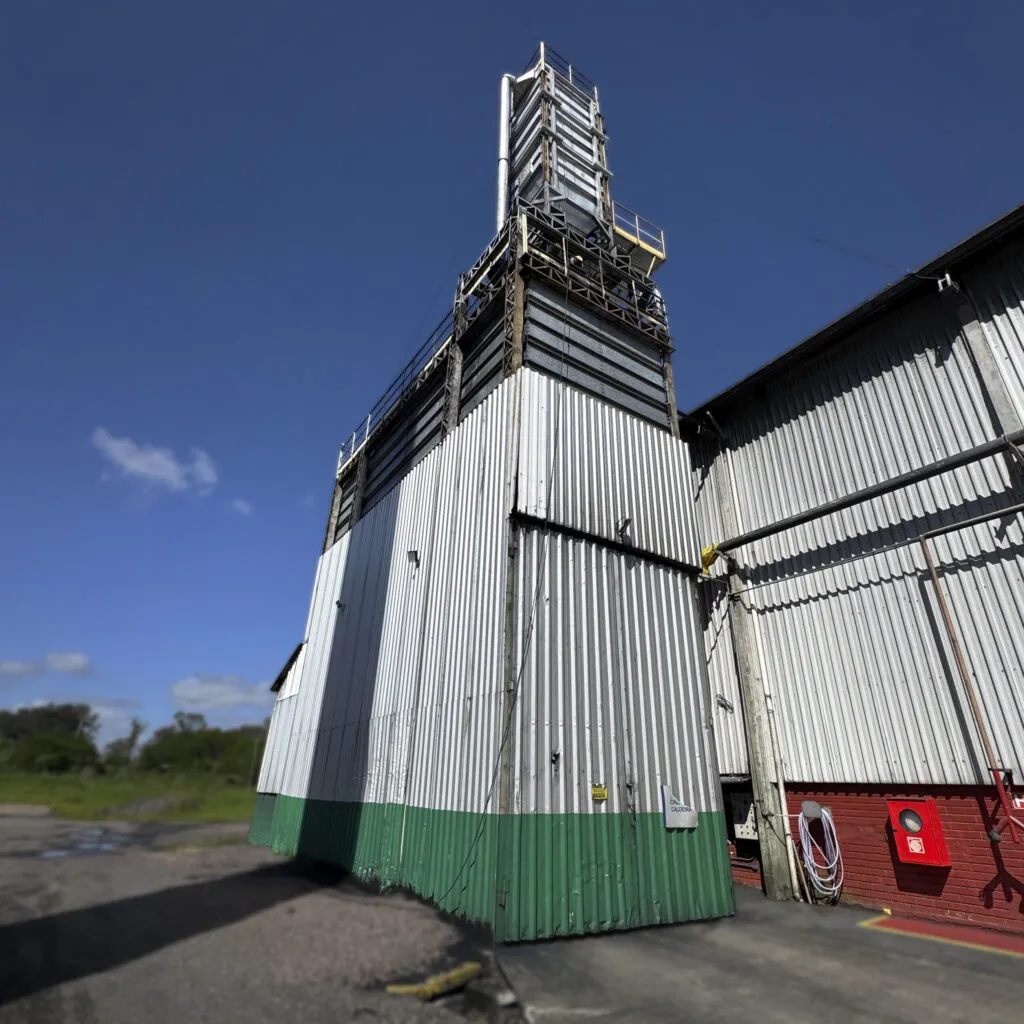
See the Machines in Action
-
O custo de secagem vai muito além do valor de aquisição do secador
-
A pressão do vapor é um dos fatores mais importantes no processo de secagem, mas o desempenho do equipamento vai além disso.
-
Equipamento bom não se prova em apresentação, se prova em operação.
-
Saída do secador de lâminas sem nenhum funcionário? Sim, é possível.
-
Em operações de alta escala, não existe espaço para instabilidade.
-
Arredondador de toras chines
Frequently Asked Questions
1. How do I size an industrial dust extraction system?
As a general technical reference, ducts extracting sawdust and wood chips usually run at conveying velocities between 18 and 25 m/s to stop material settling out. Full sizing takes into account the number and position of pick-up points, required airflow, the type and density of the residue, the run, the bends, pressure losses, filtration and fan power, and must be carried out by a qualified professional.
2. What is the difference between a bag filter, a fan and a silo?
The fan generates the airflow. The bag filter separates particles from the air. The silo stores the collected material. The three can work as an integrated set, but each has a different role in the system.
3. How do I choose the number of filter bags?
The number and area of the bags are defined by airflow, dust load, particle type, the air-to-cloth ratio, the cleaning method and the emission limit. Simply counting bags is not enough to compare filters of different designs.
4. Does fan power determine the whole capacity of the system?
No. Power has to be assessed together with airflow, pressure, fan speed, efficiency, duct diameter and pressure losses. A powerful motor does not fix a badly sized system or inadequate pick-up points.
5. Which types of residue can the system collect?
Depending on the design, it can collect dust, sawdust, light chips and other particulates. The size, abrasiveness, moisture, temperature and combustion risk of the residue must be stated in order to define ducting, fan, filtration and safety measures.
6. Can the equipment be adapted to my existing ductwork?
It may be possible, but you need to check diameters, airflow, pressure, the run, sealing, pick-up points and filter capacity. Adaptations made without calculation can reduce performance and raise the risk of blockage or overload.