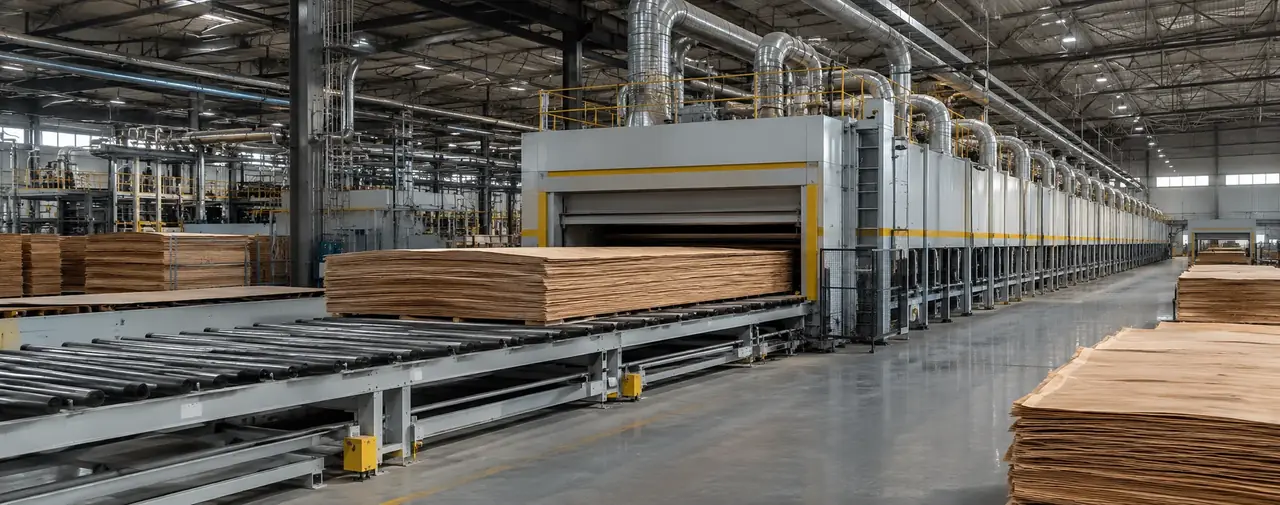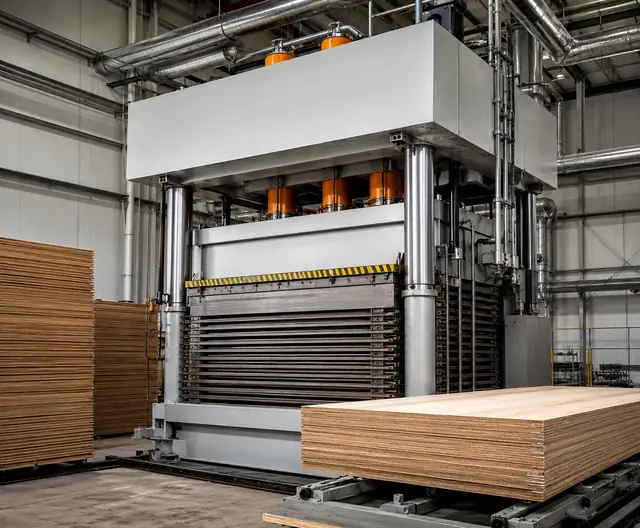
Presses and Pre-presses
Condition
Category
Price Range
Number of Platens
Working Length
Working Width
Drive
Filters
Condition
Lorem ipsum dolor ist amte, consectetuer adipiscing eilt. Aenean commodo ligula egget dolor. Aenean massa. Cum sociis natoque penatibus et magnis dis parturient montes, nascetur ridiculus mus. Donec quak felis, ultricies nec, pellentesque eu, pretium quid, sem.
Category
Price Range
Number of Platens
Working Length
Working Width
Drive
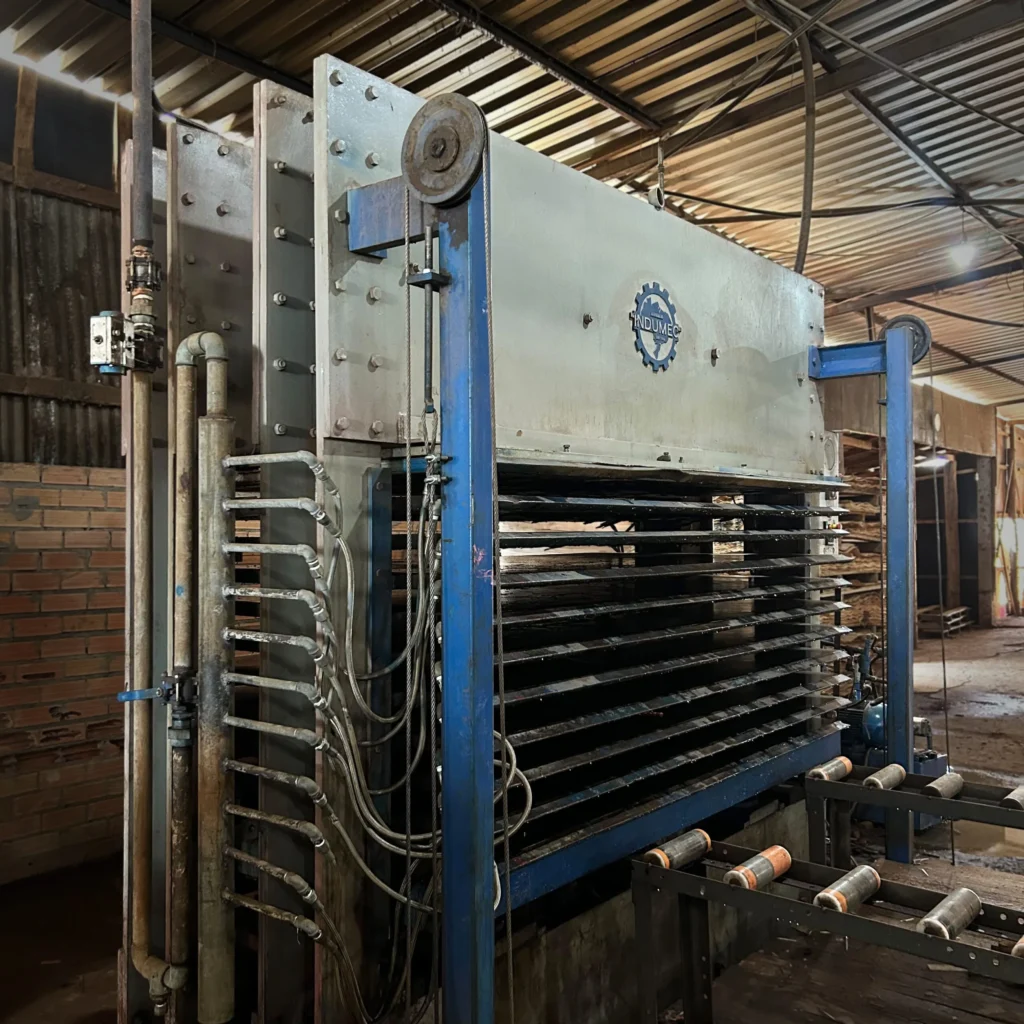
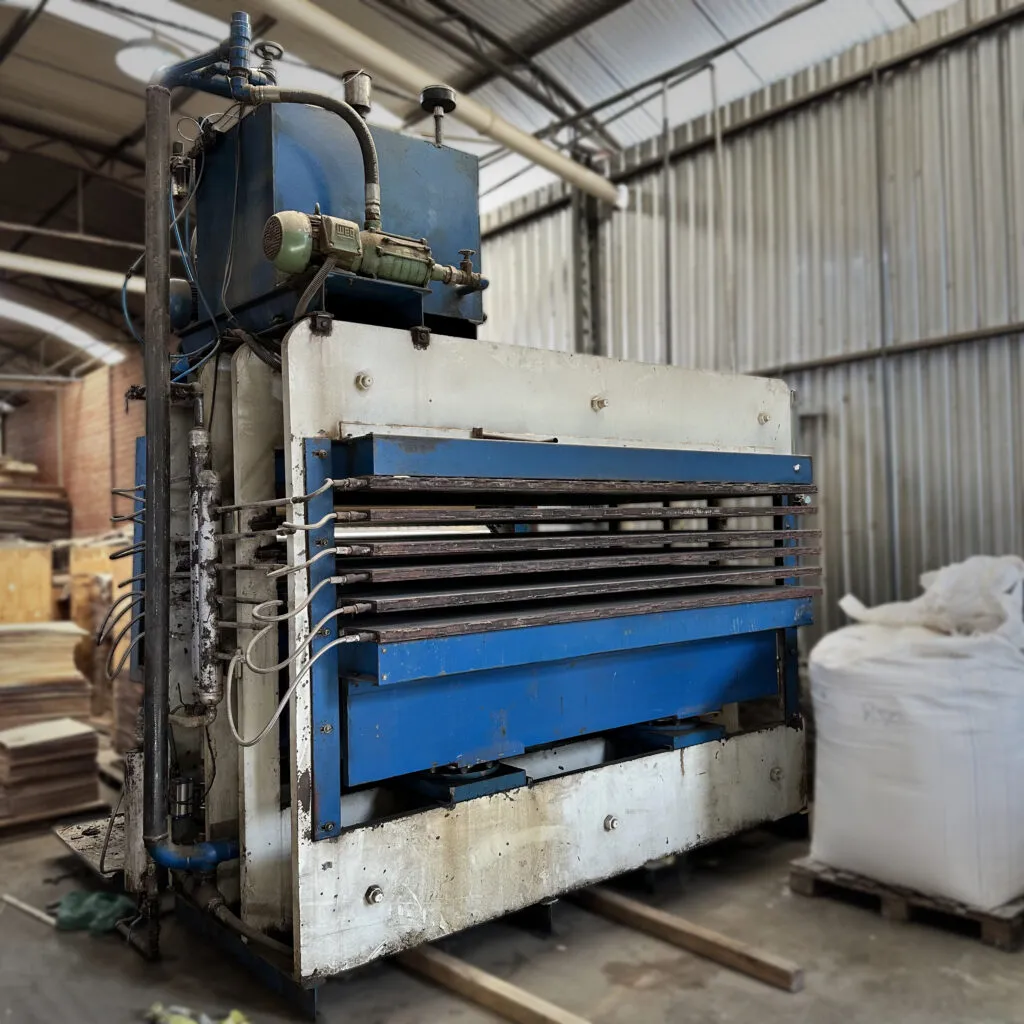
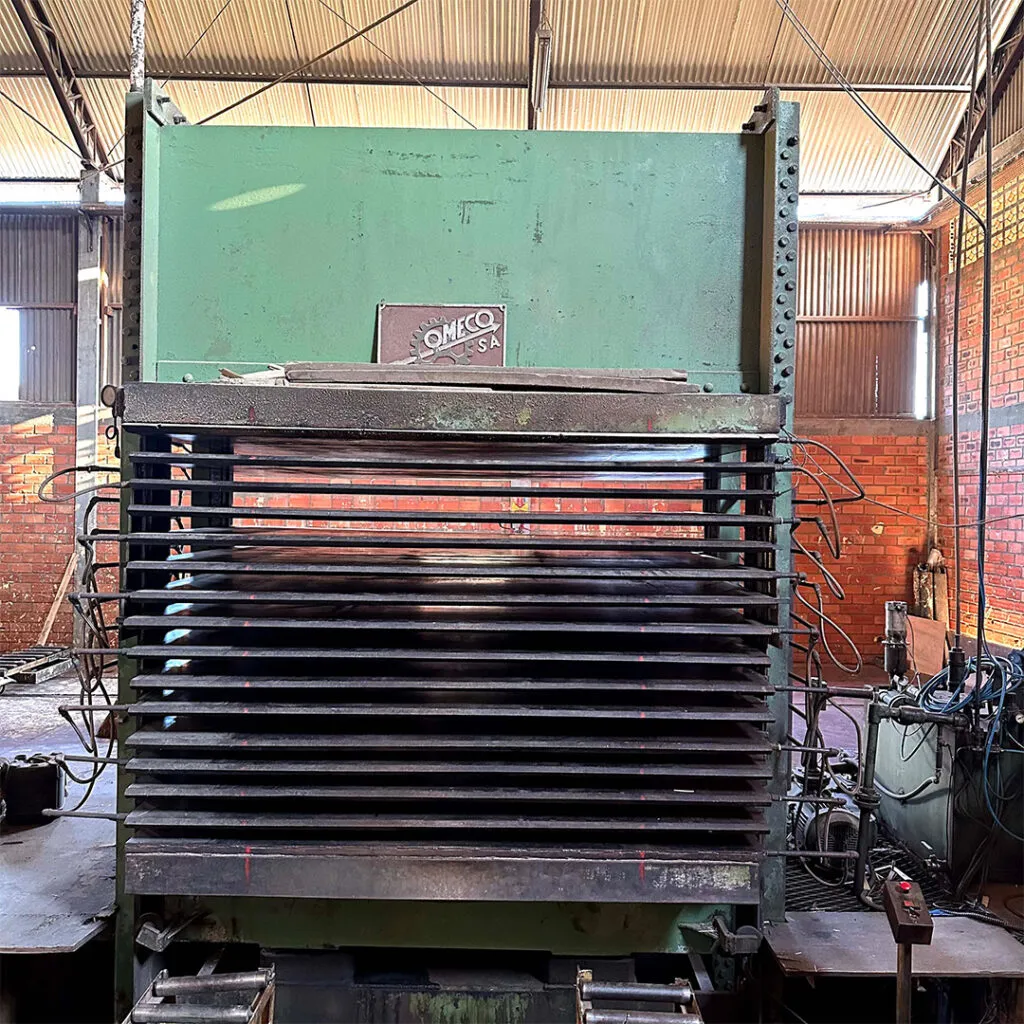
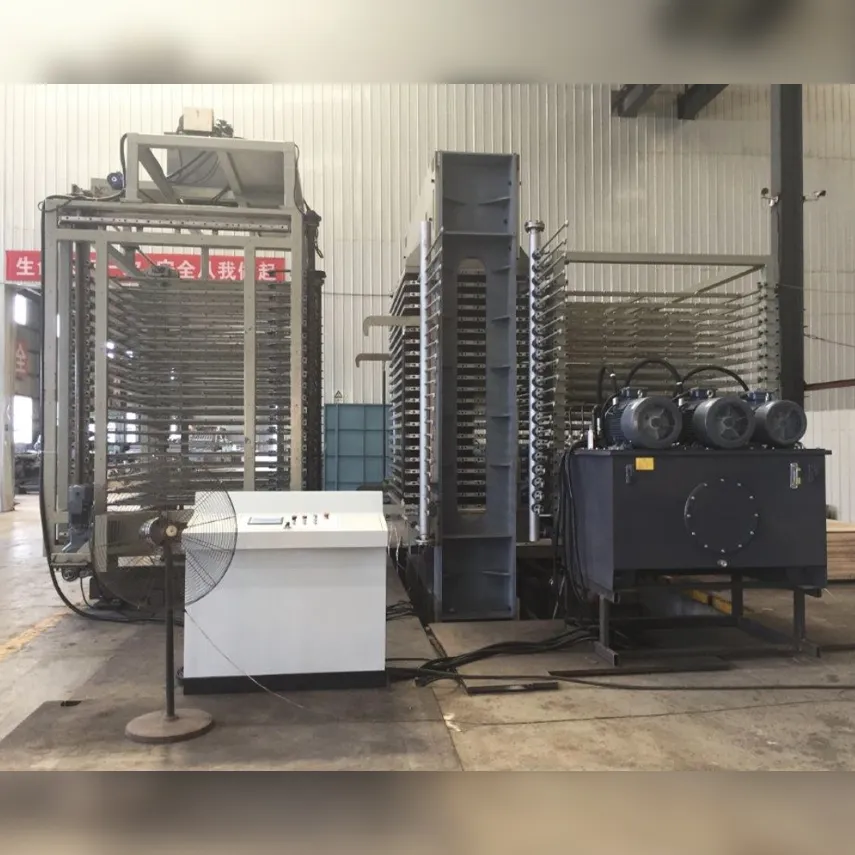
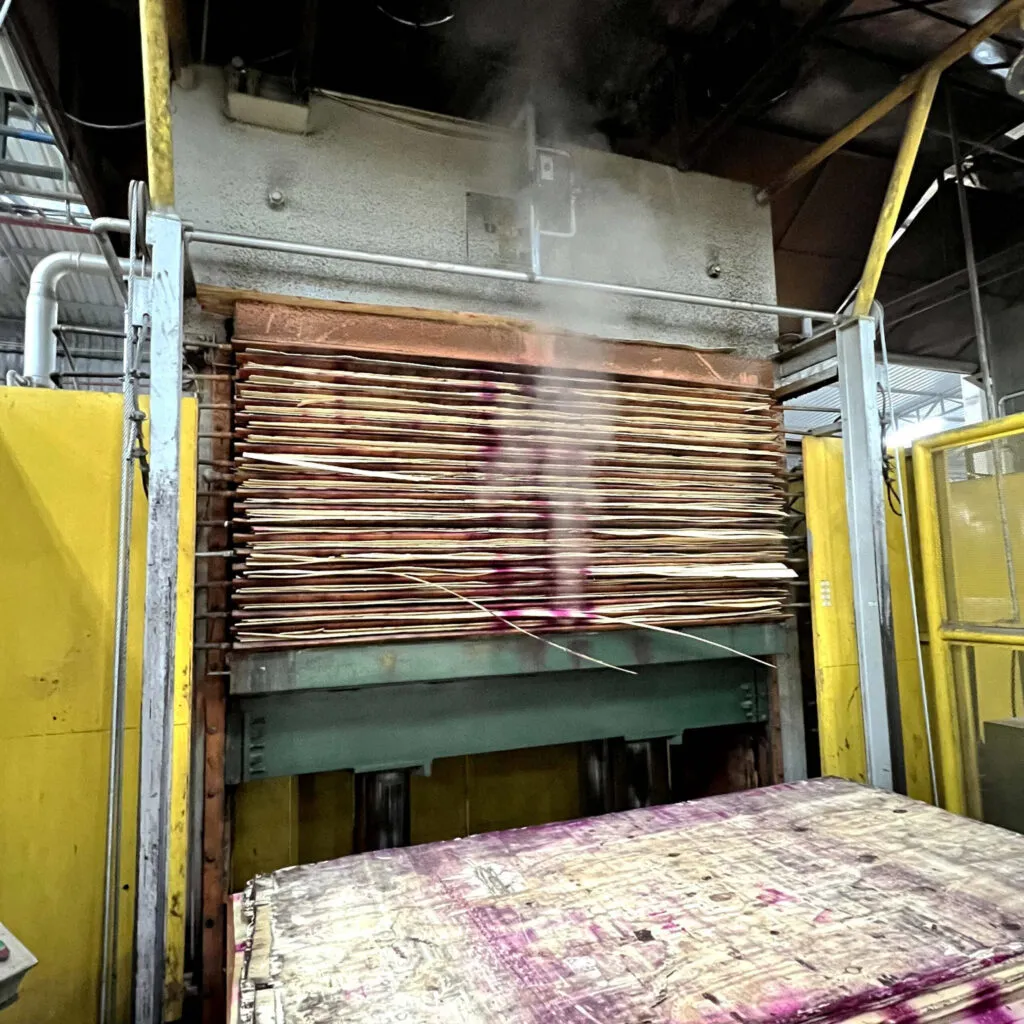
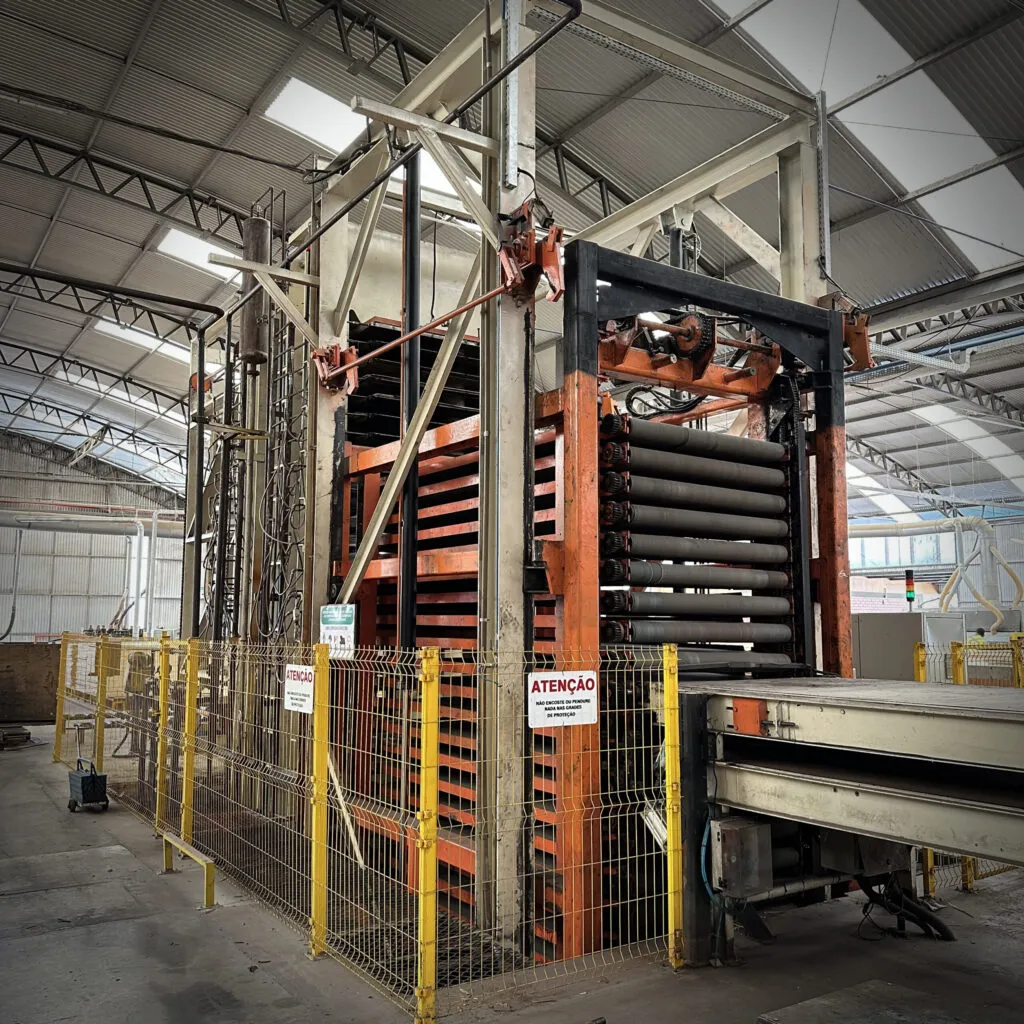
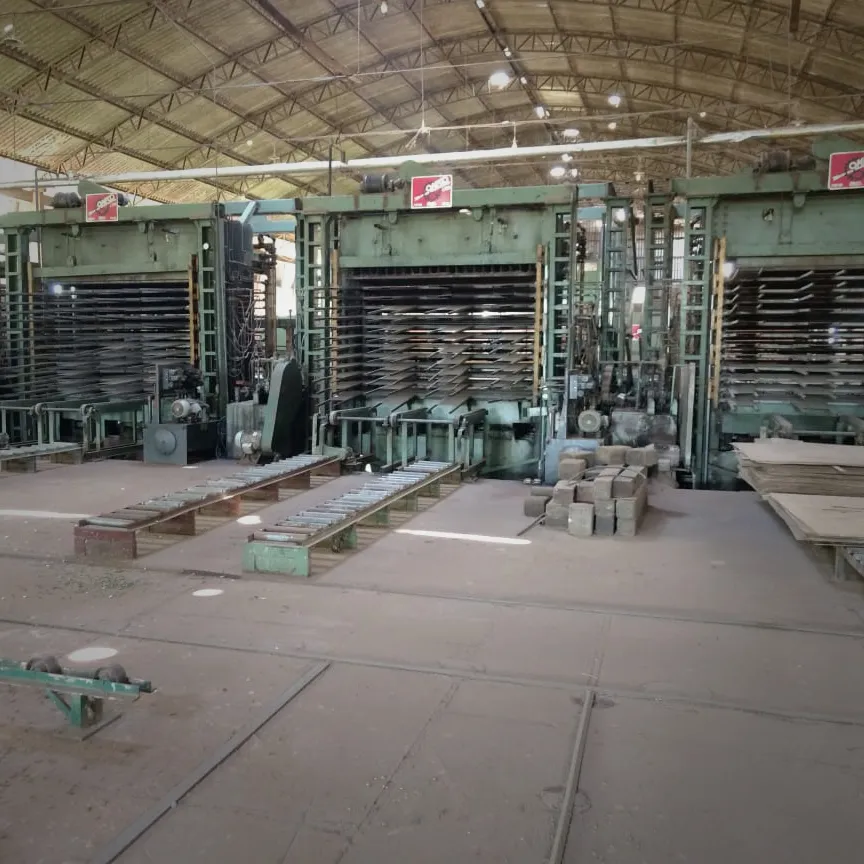
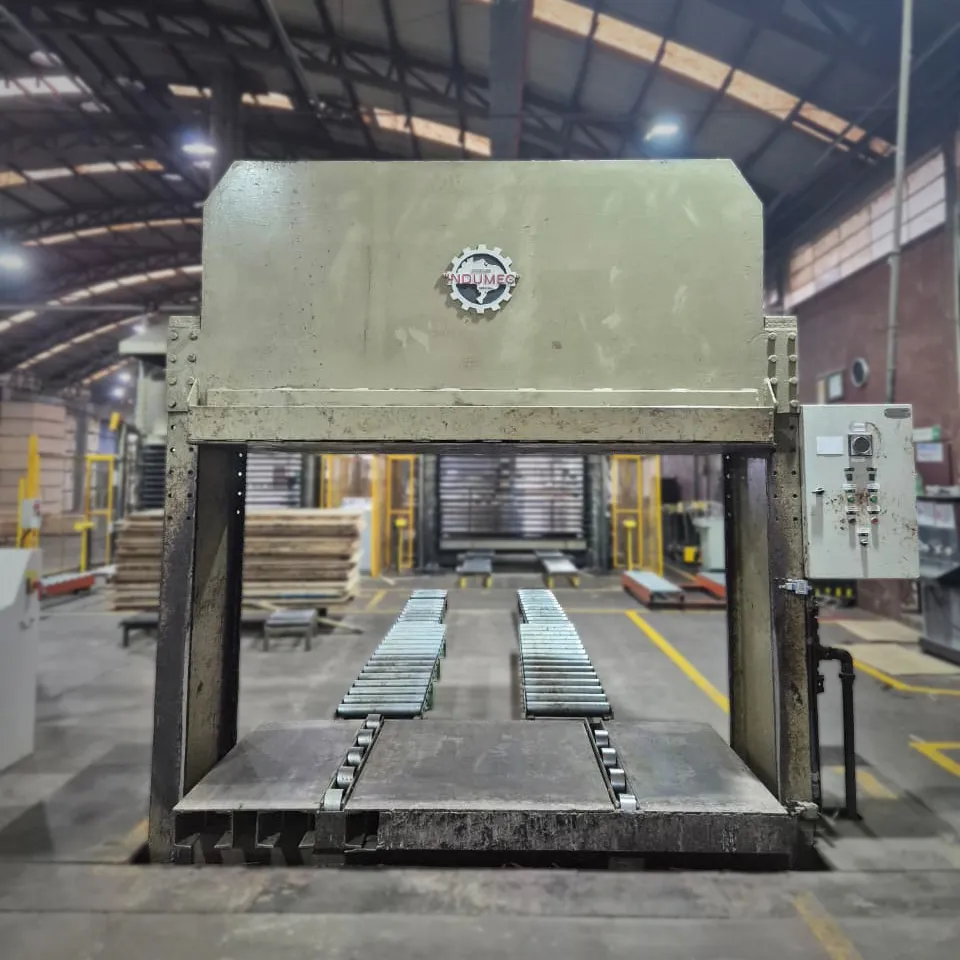
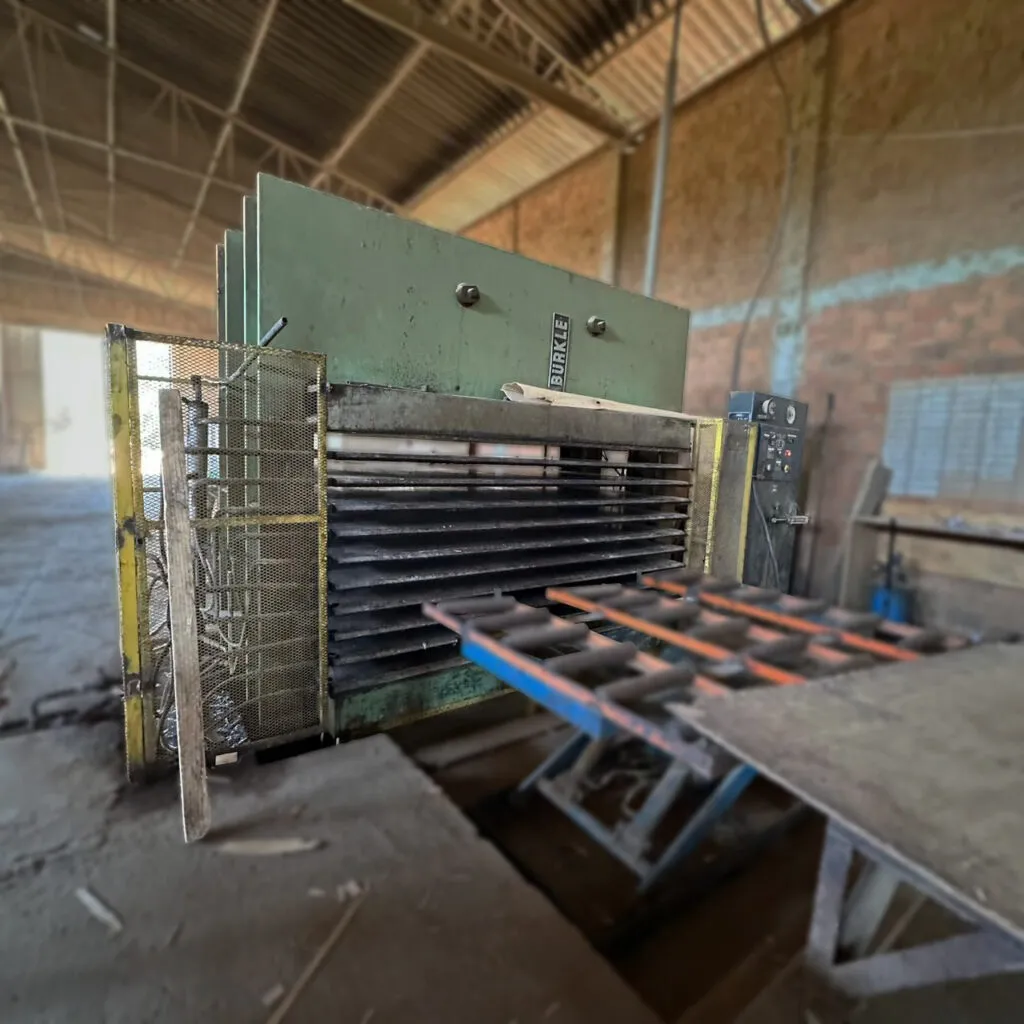
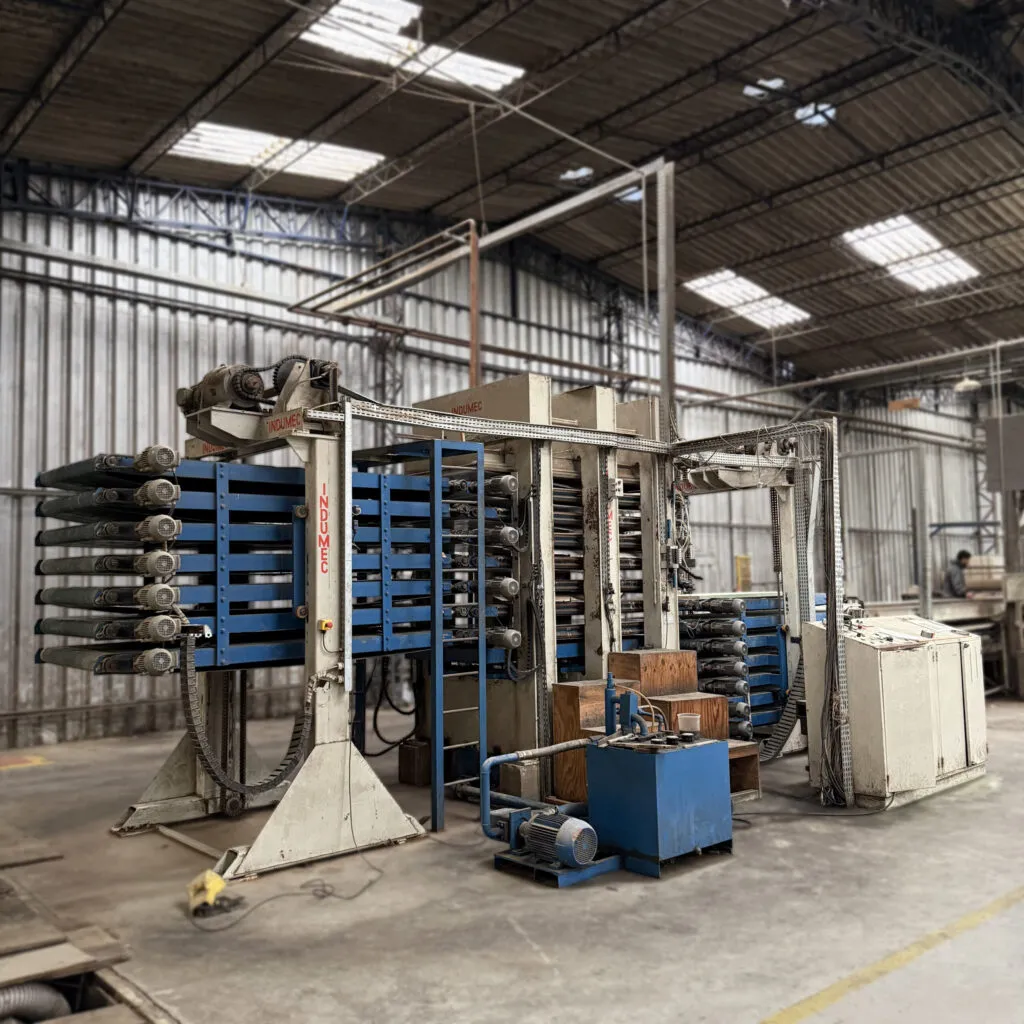
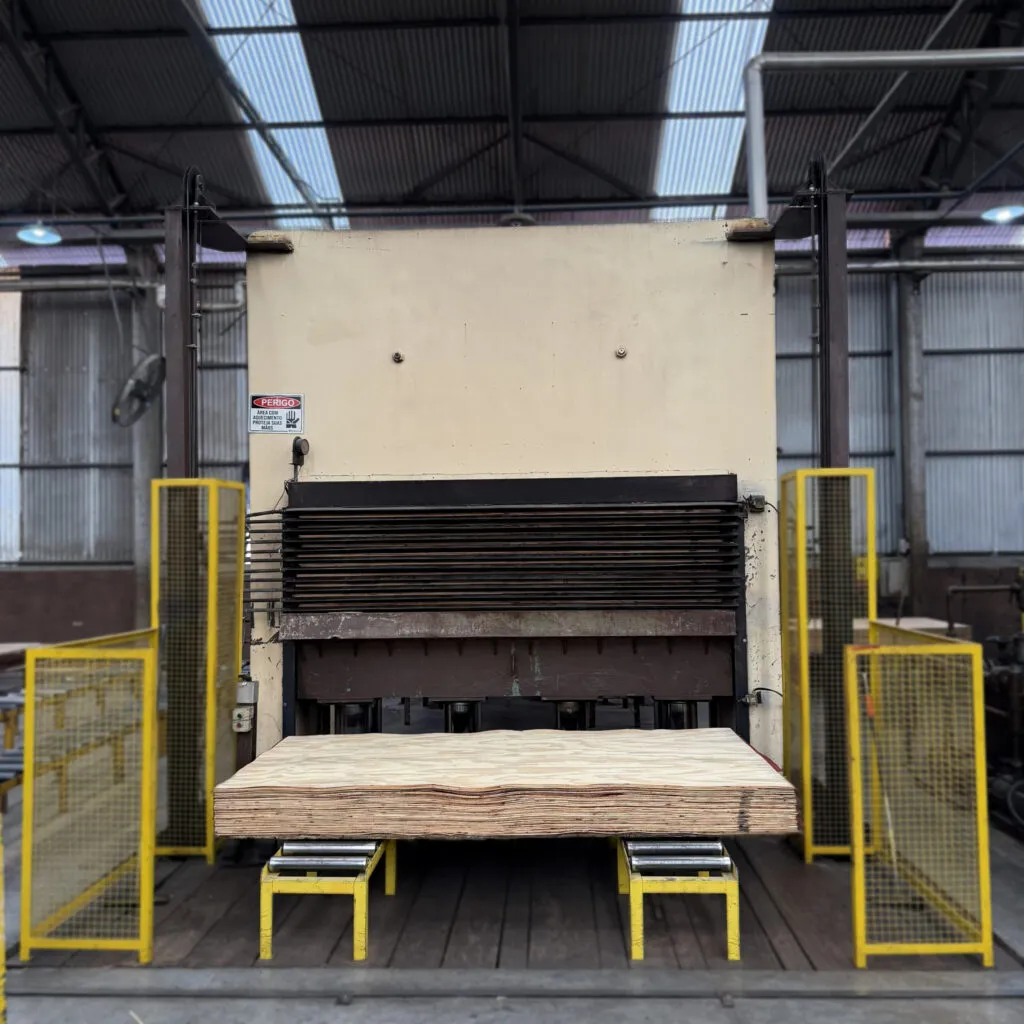
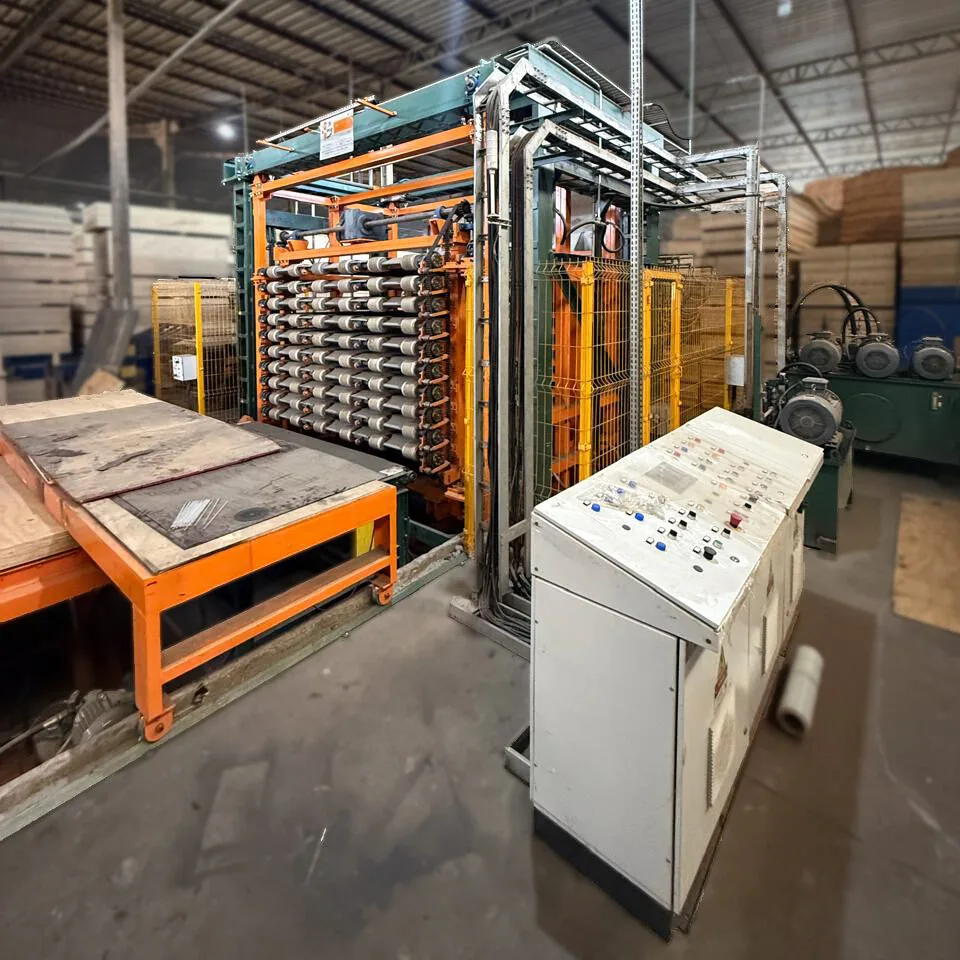
See the Machines in Action
-
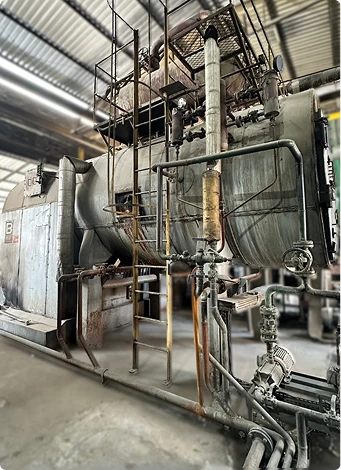
O custo de secagem vai muito além do valor de aquisição do secador
-
A pressão do vapor é um dos fatores mais importantes no processo de secagem, mas o desempenho do equipamento vai além disso.
-
Equipamento bom não se prova em apresentação, se prova em operação.
-
Saída do secador de lâminas sem nenhum funcionário? Sim, é possível.
-
Em operações de alta escala, não existe espaço para instabilidade.
-
Arredondador de toras chines
Frequently Asked Questions
1. What is the difference between a press and a pre-press?
The pre-press carries out an initial compaction of the pack, helping to stabilise the veneer and the glue spread before the main pressing. The press applies pressure and, depending on the process, heat, to consolidate the panel or final product.
2. How do I choose the capacity and platen count of a press?
As a general reference, plywood presses usually have between 8 and 51 platens, depending on the size of the plant. You need to consider the product, panel dimensions, the specific pressure required, the number of cycles per shift, pressing time and target output. Platen count affects how many packs can be pressed per cycle, but it must be assessed together with cycle time and total force.
3. What is the difference between a hot press and a cold press?
A hot press uses heated platens to speed up adhesive curing and consolidate the material. A cold press applies pressure without direct heating and is used in processes that allow curing at room temperature or in preparation stages. The choice depends on the adhesive, the product and the production cycle.
4. Which products can be manufactured on a wood press?
Depending on the design, you can produce plywood, laminated panels, doors, glued components, cladding and other products. Platen dimensions, force, temperature, opening and stroke must all be compatible with the application.
5. Does platen size limit the dimensions of the panel produced?
Yes. The panel must fit within the working area of the platens, allowing clearance for positioning and uniform pressure distribution. You also need to check the opening between platens and the total thickness of the pack.
6. What information is needed to size a press?
The main ones are: product type, dimensions, thickness, quantity per cycle, adhesive used, specific pressure, temperature, pressing time, daily volume and the level of automation required. With this data it is possible to assess force, working area, platen count and the hydraulic system.