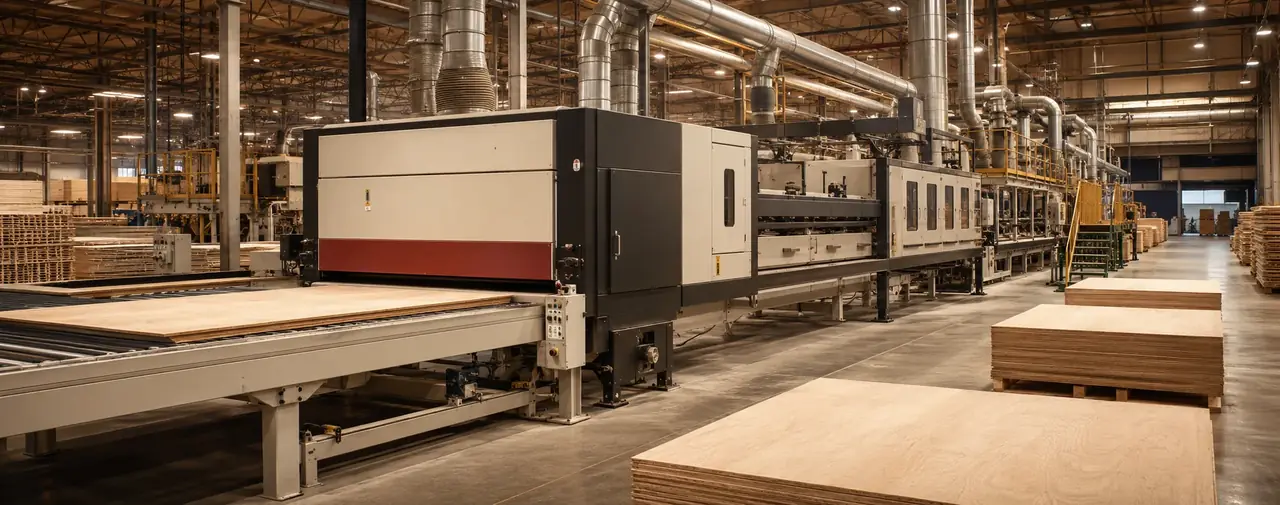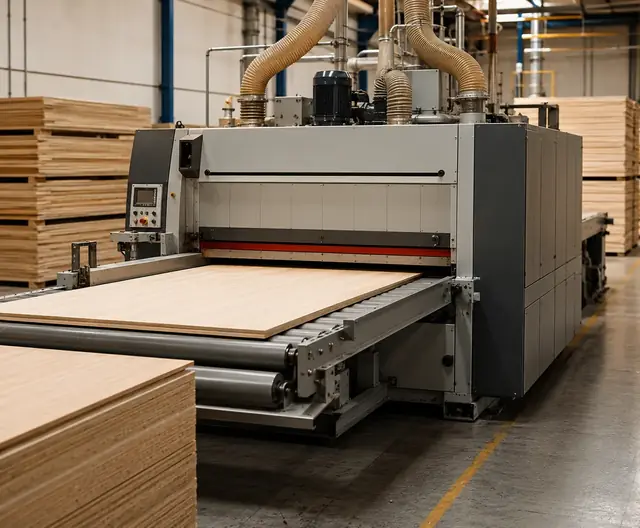
Sanders and Calibrating Machines
Condition
Category
Price Range
Equipment Type
Working Width
Drive
Filters
Condition
Lorem ipsum dolor ist amte, consectetuer adipiscing eilt. Aenean commodo ligula egget dolor. Aenean massa. Cum sociis natoque penatibus et magnis dis parturient montes, nascetur ridiculus mus. Donec quak felis, ultricies nec, pellentesque eu, pretium quid, sem.
Category
Price Range
Equipment Type
Working Width
Drive
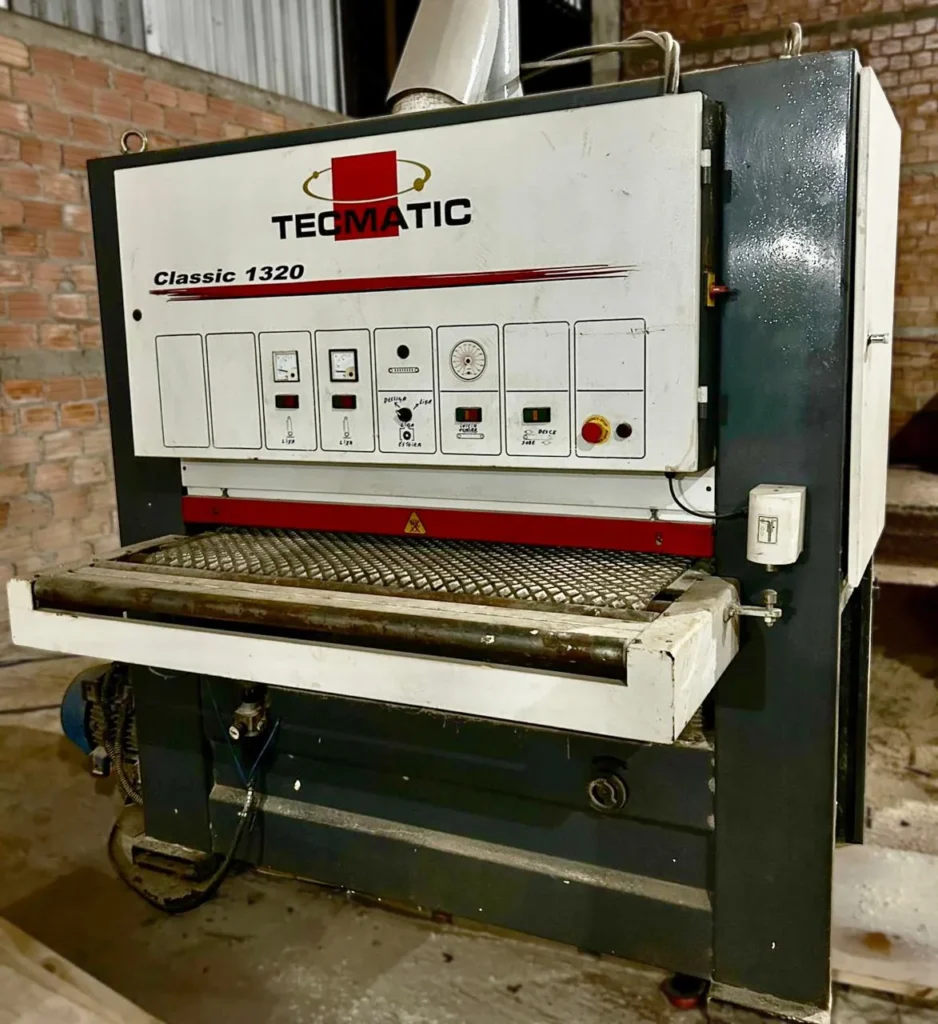
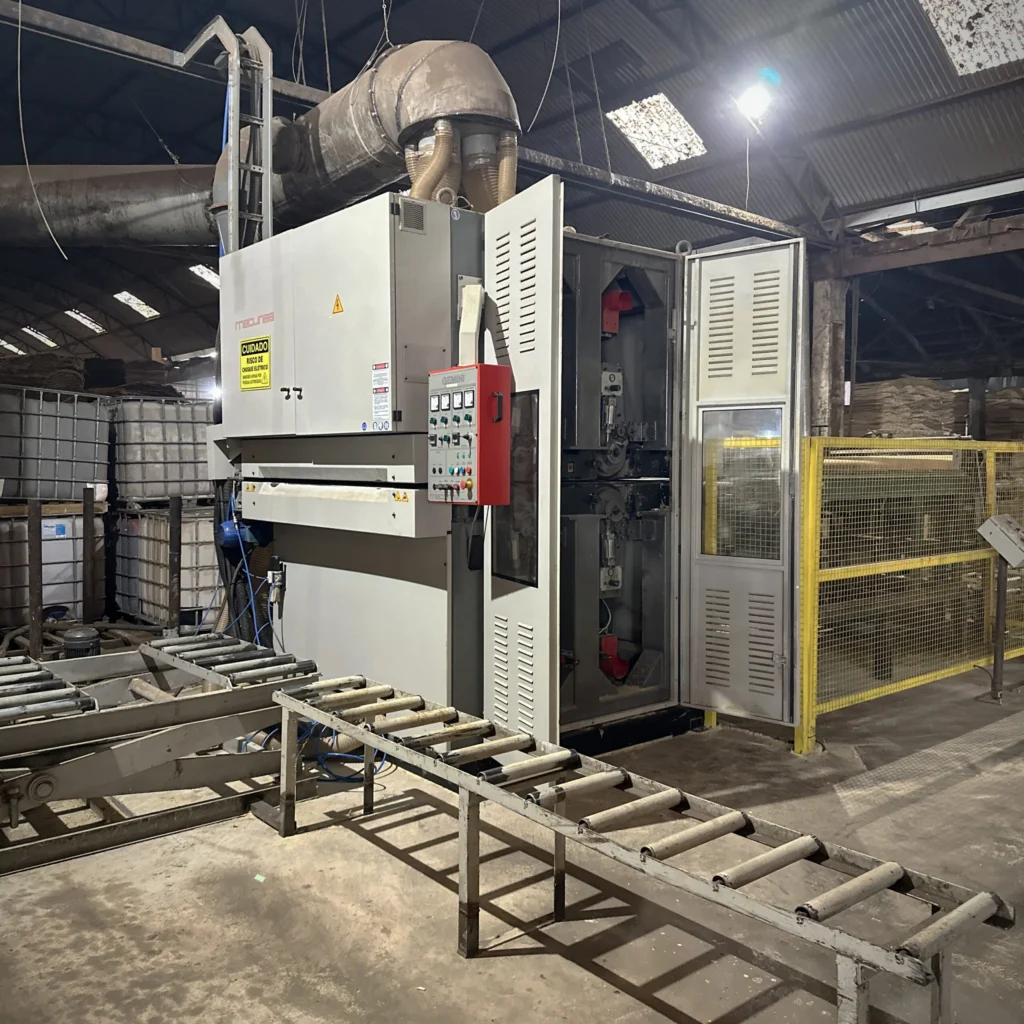
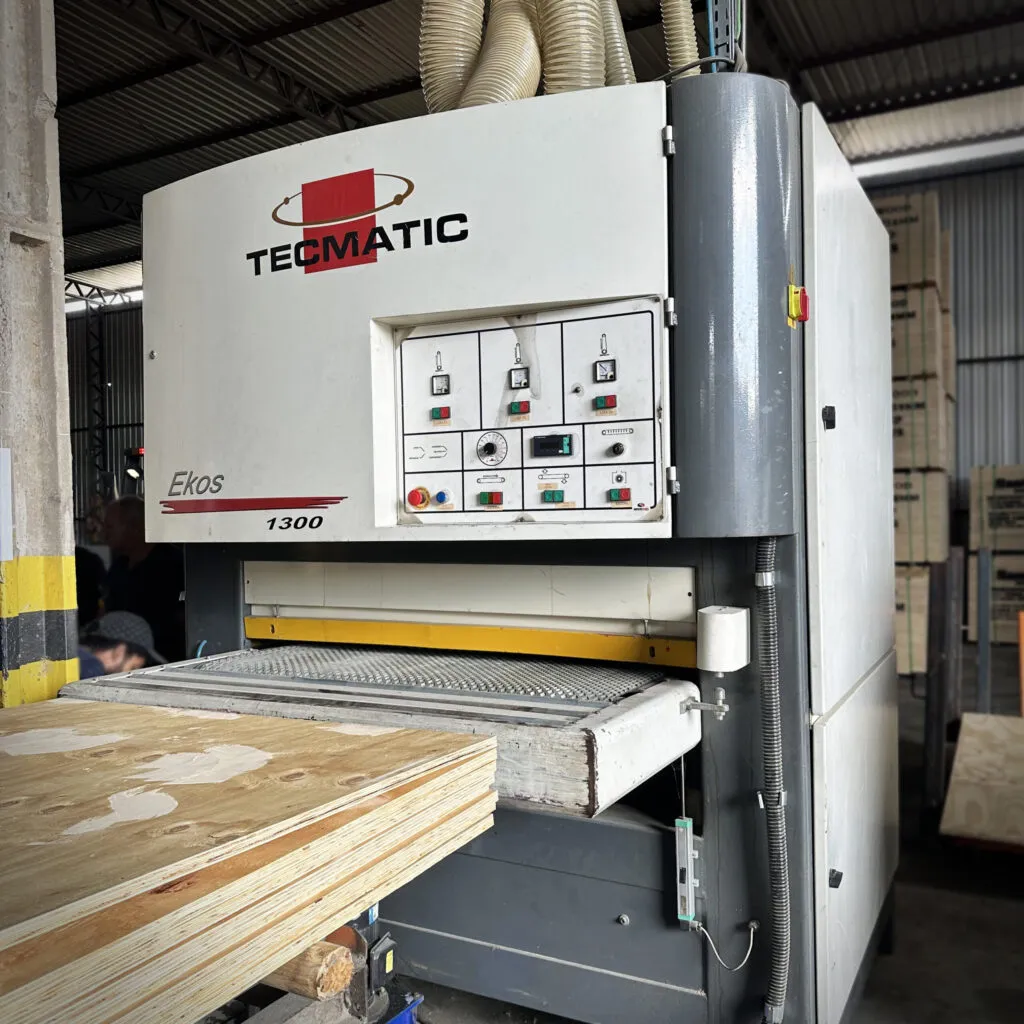
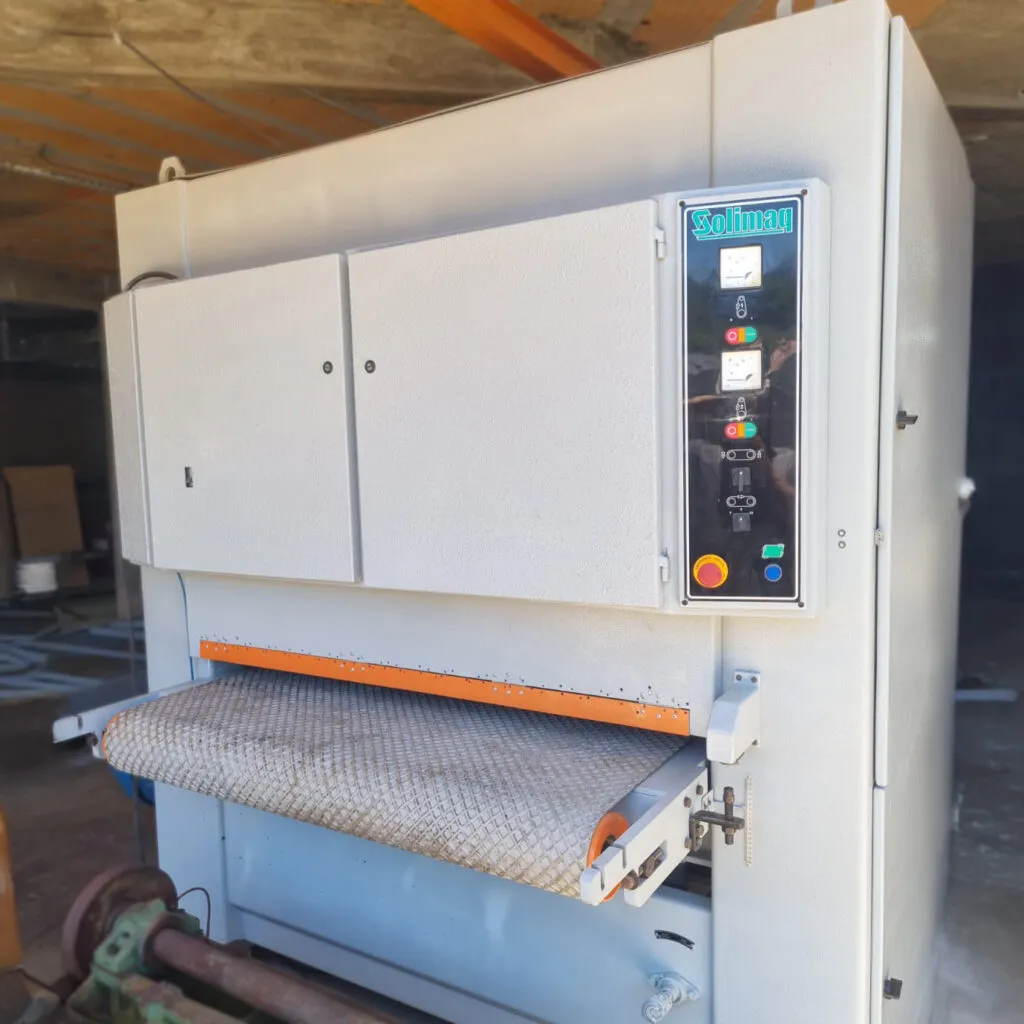
See the Machines in Action
-
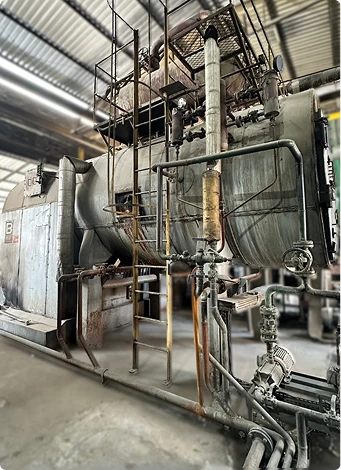
O custo de secagem vai muito além do valor de aquisição do secador
-
A pressão do vapor é um dos fatores mais importantes no processo de secagem, mas o desempenho do equipamento vai além disso.
-
Equipamento bom não se prova em apresentação, se prova em operação.
-
Saída do secador de lâminas sem nenhum funcionário? Sim, é possível.
-
Em operações de alta escala, não existe espaço para instabilidade.
-
Arredondador de toras chines
Frequently Asked Questions
1. What is the difference between an industrial sander and a calibrating sander?
A calibrating sander aims to even out material thickness with greater, controlled stock removal. A sander is more associated with surface finishing. Many machines combine both functions through different heads and abrasive grits.
2. How do I choose the working width of the machine?
Common commercial working widths range from 65 cm to 180 cm, though larger models exist for wide panels. The working width must suit the largest piece or panel you process, leaving margin for positioning and variation, and should also account for abrasive belt width, the feed system and your production standard.
3. How many heads does the process require?
In general, machines with 1 or 2 heads cover simple calibrating work; combinations of 3 to 4 heads allow calibrating, intermediate sanding and finishing in a single pass. The ideal configuration depends on the stock removal you need, the finish level and the required output.
4. Which materials can be processed on an industrial sander?
Depending on the design, it can handle solid wood, plywood, MDF, particleboard, faced panels and other materials. Abrasive type, pressure, speed and heads must be set to suit the material to avoid marks or damage.
5. Does the machine do calibrating and finishing in the same pass?
Some models do both stages when they have the right heads and settings. Typically the first heads remove material and correct thickness, while the following ones use finer abrasives for the finish.
6. What should be inspected on a pre-owned sander?
Check the condition of the rollers and heads, the table and feed belt, the pneumatic system, motors, bearings, abrasive belt oscillation, dust extraction, electrical panels, adjustment accuracy and safety devices.