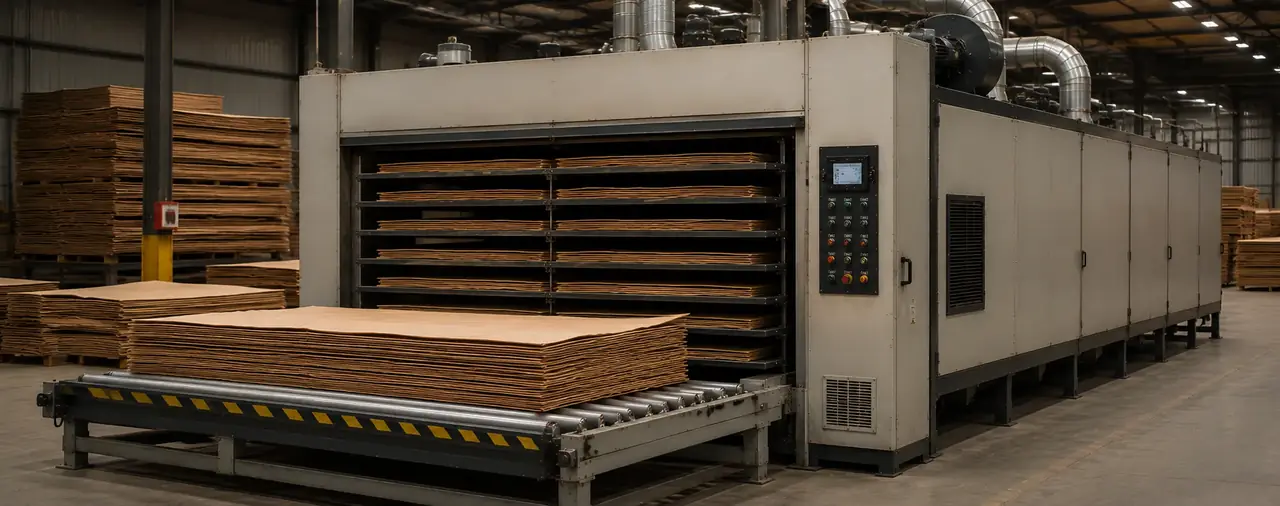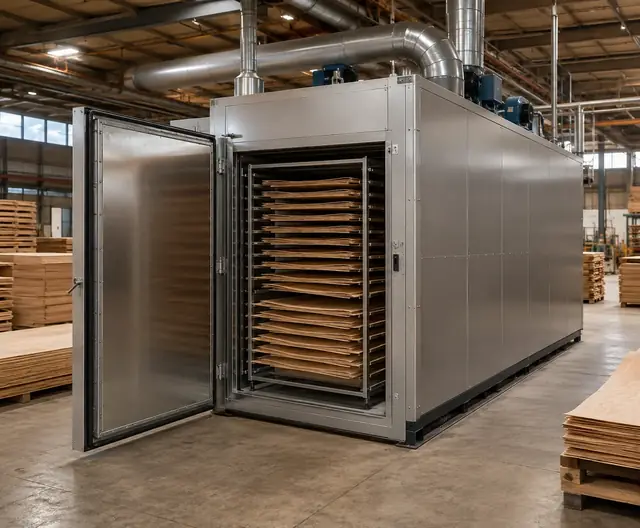
Veneer Dryers
Condition
Category
Price Range
Number of Lanes
Working Width
Drive
Filters
Condition
Lorem ipsum dolor ist amte, consectetuer adipiscing eilt. Aenean commodo ligula egget dolor. Aenean massa. Cum sociis natoque penatibus et magnis dis parturient montes, nascetur ridiculus mus. Donec quak felis, ultricies nec, pellentesque eu, pretium quid, sem.
Category
Price Range
Number of Lanes
Working Width
Drive
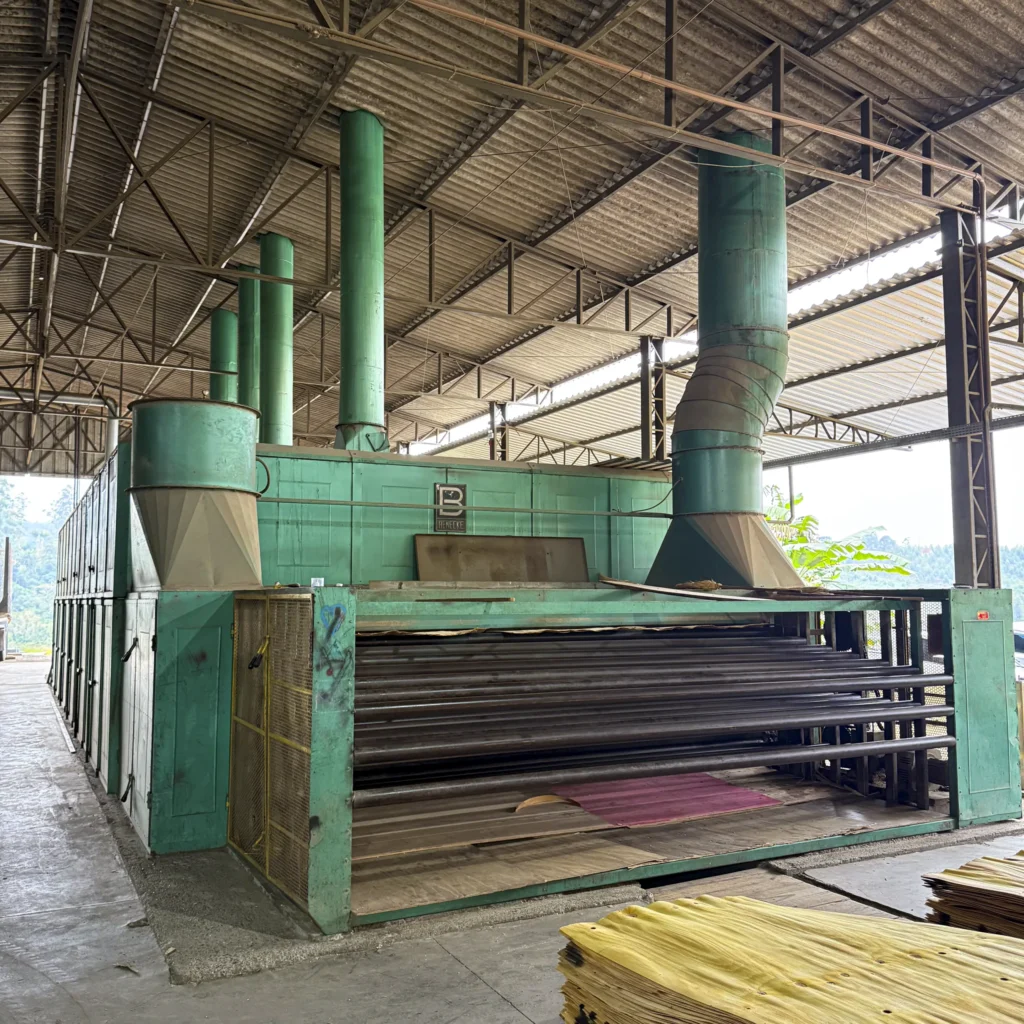
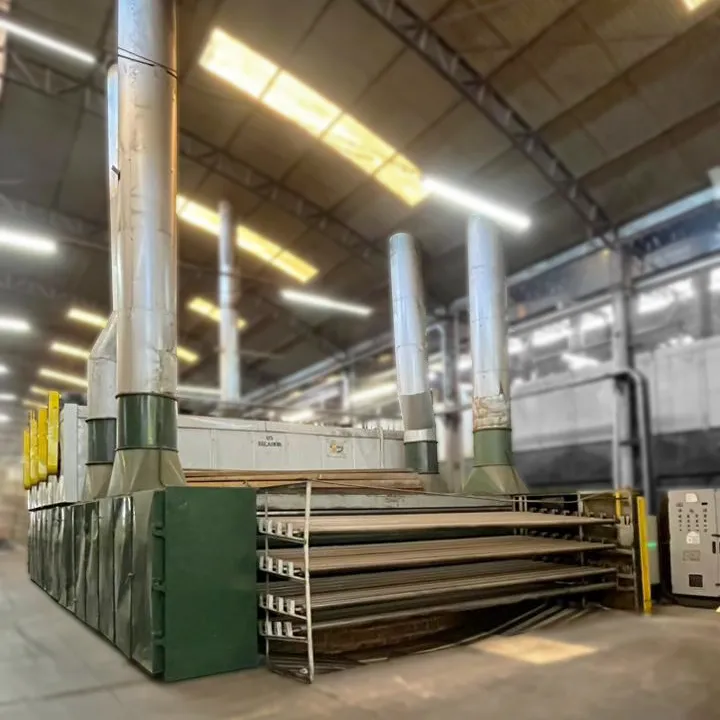
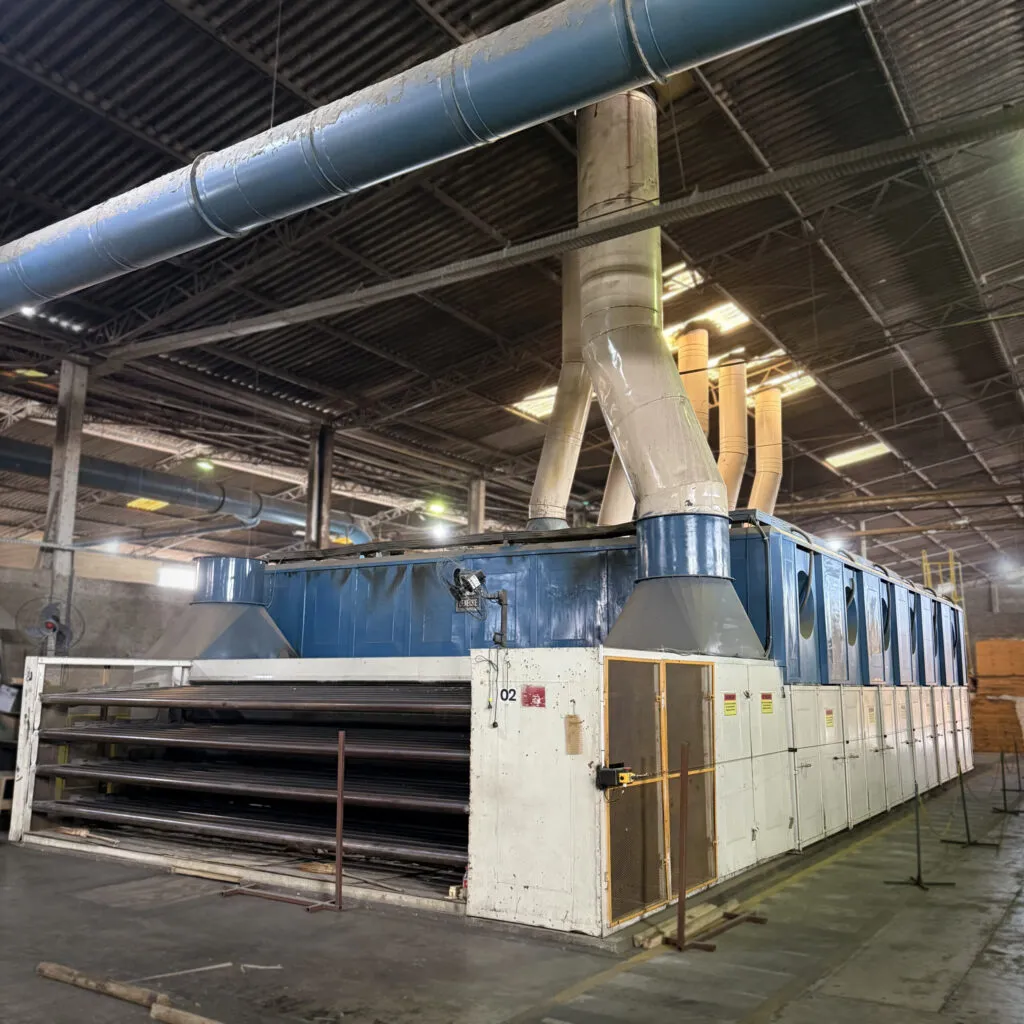
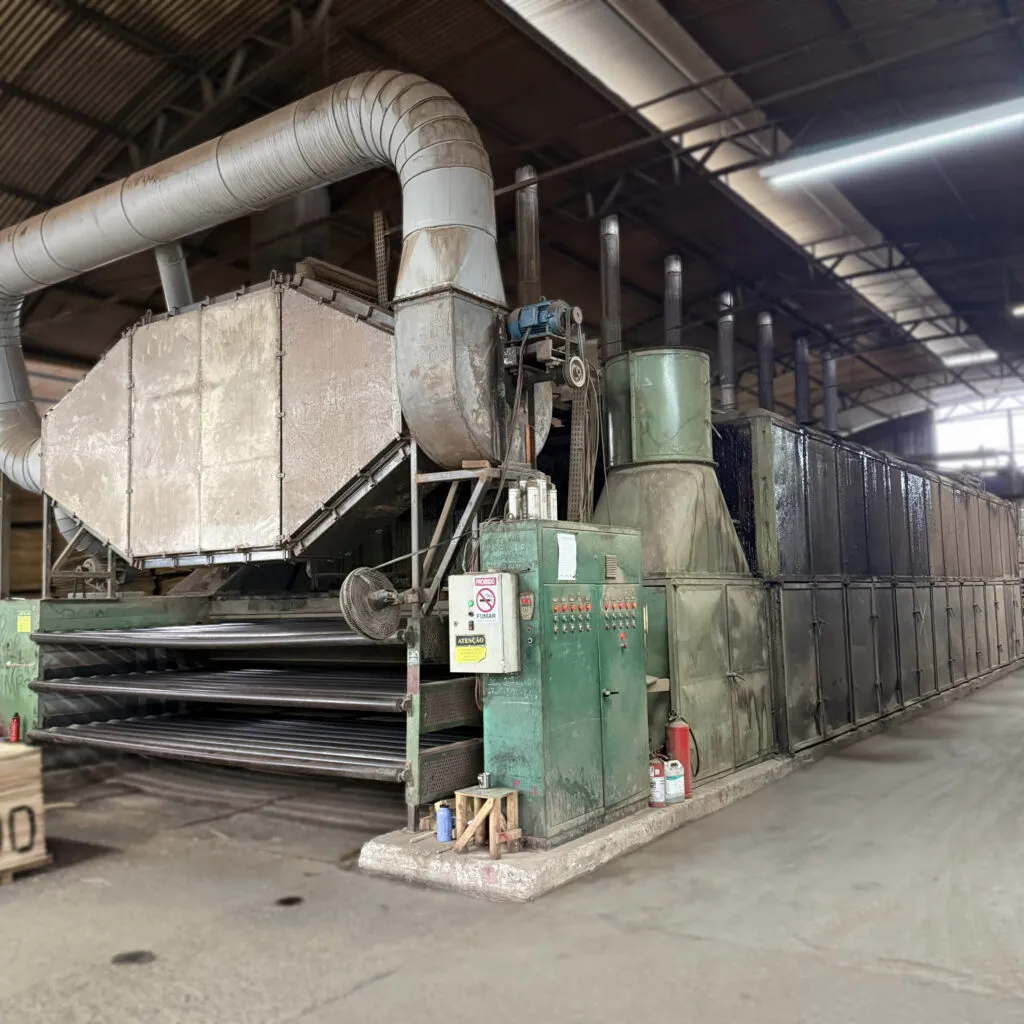
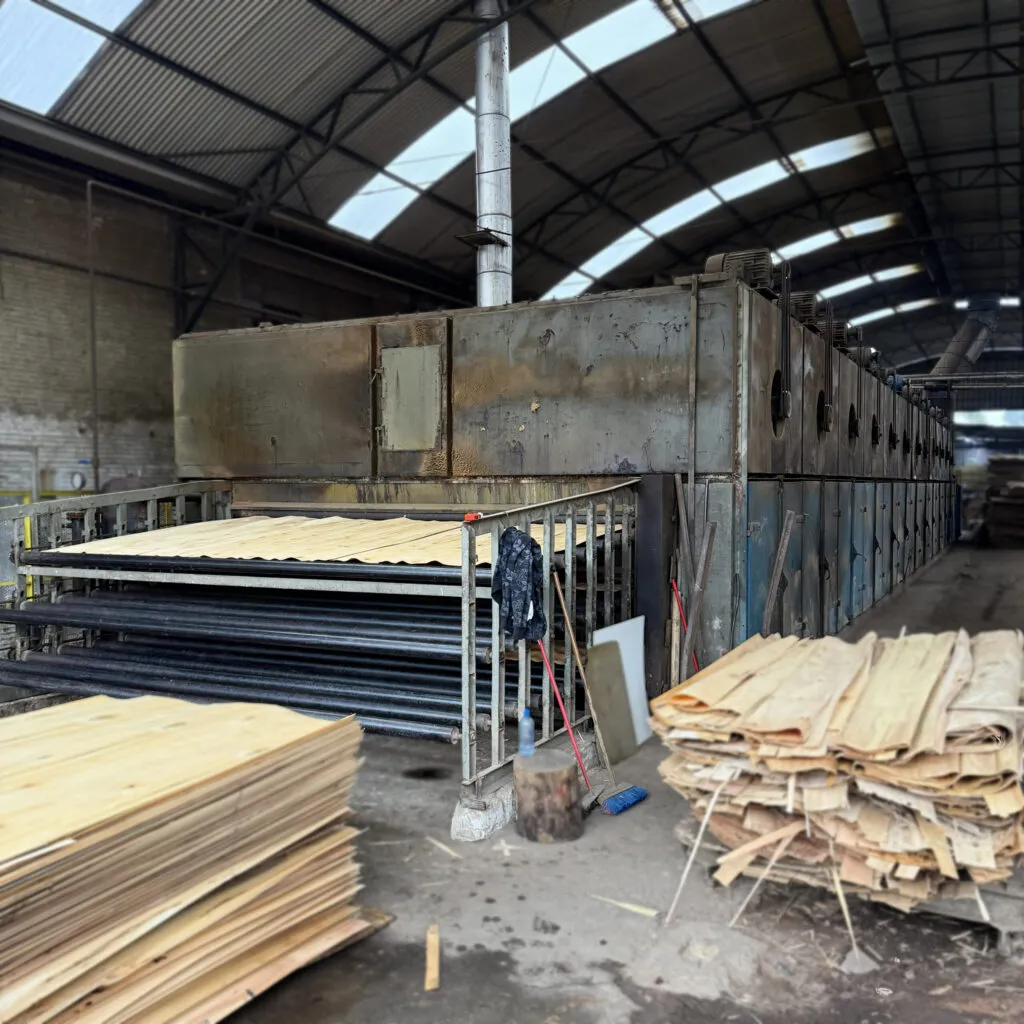
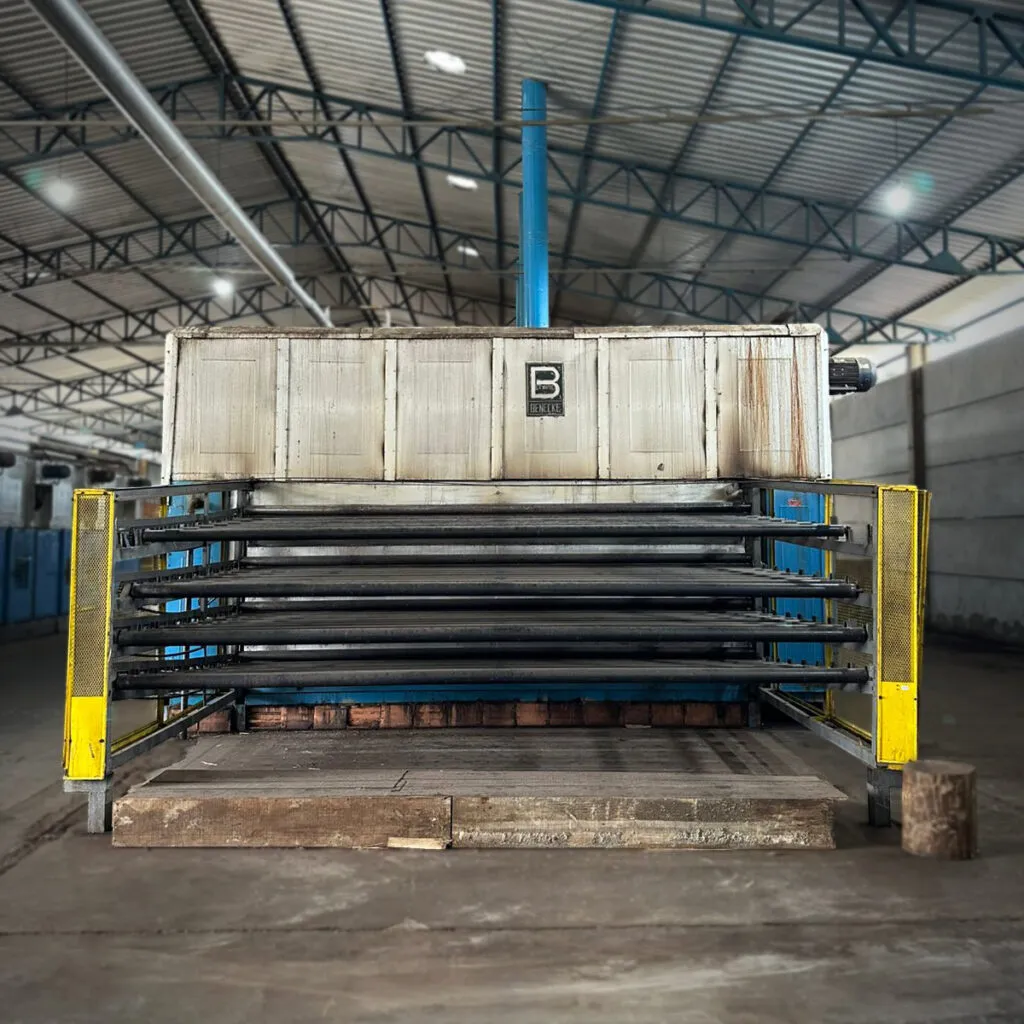
See the Machines in Action
-
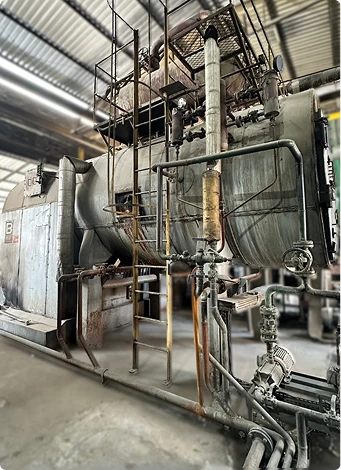
O custo de secagem vai muito além do valor de aquisição do secador
-
A pressão do vapor é um dos fatores mais importantes no processo de secagem, mas o desempenho do equipamento vai além disso.
-
Equipamento bom não se prova em apresentação, se prova em operação.
-
Saída do secador de lâminas sem nenhum funcionário? Sim, é possível.
-
Em operações de alta escala, não existe espaço para instabilidade.
-
Arredondador de toras chines
Frequently Asked Questions
1. How do I choose a veneer dryer that fits my production?
You should consider the wood species, veneer thickness and width, inlet and outlet moisture, the volume produced per shift, the quality you need and the available heat source. Together these define the most suitable capacity and configuration.
2. What do the number of decks and chambers on a dryer mean?
Decks are the parallel paths the veneer travels through. Commercial dryers usually have 3, 4 or 6 decks, depending on size. Chambers correspond to the drying zones and, in some designs, cooling zones. More decks or chambers can increase capacity or process control, but the result depends on the complete design and on operating conditions.
3. Which veneer dimension must the working width of the dryer match?
The working width must match the cross dimension of the veneer at the machine inlet and the conveying system. Clearances, alignment, material variation and any mix of sheet formats being processed also need to be taken into account.
4. Which factors affect the output capacity of a veneer dryer?
Capacity is influenced by wood species, thickness, initial and final moisture, temperature, air circulation, travel speed, number of decks, available heat and the condition of the components. For that reason, nominal output should always be assessed under the real operating conditions of the plant.