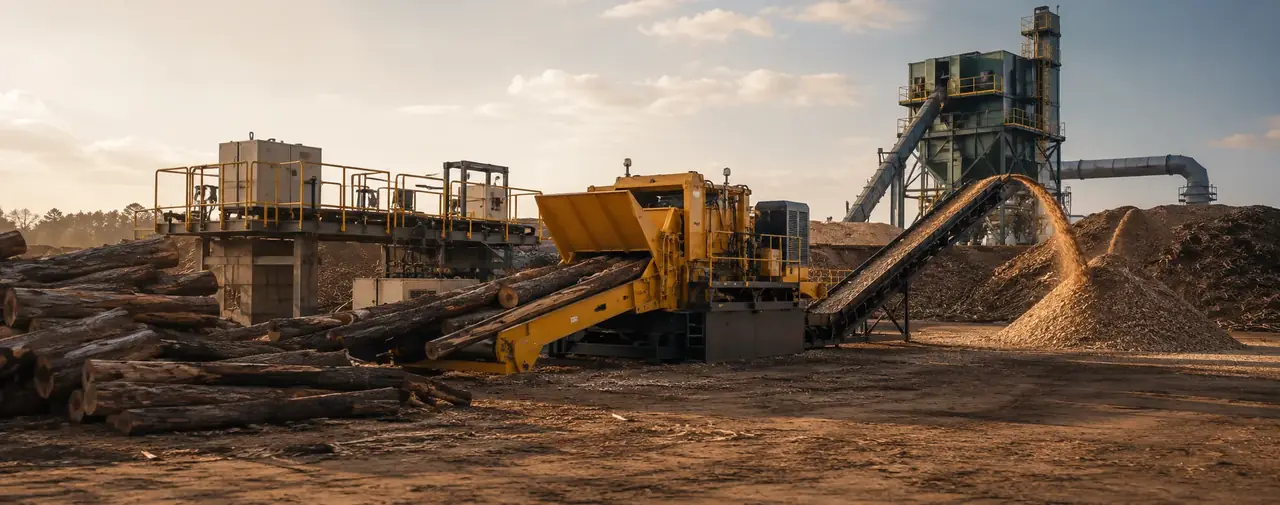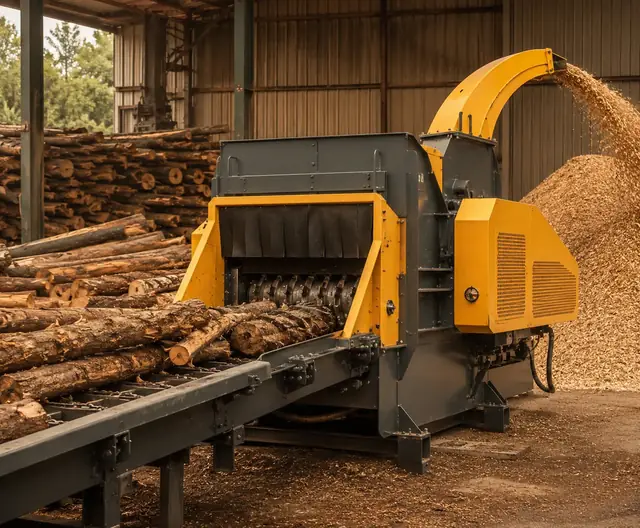
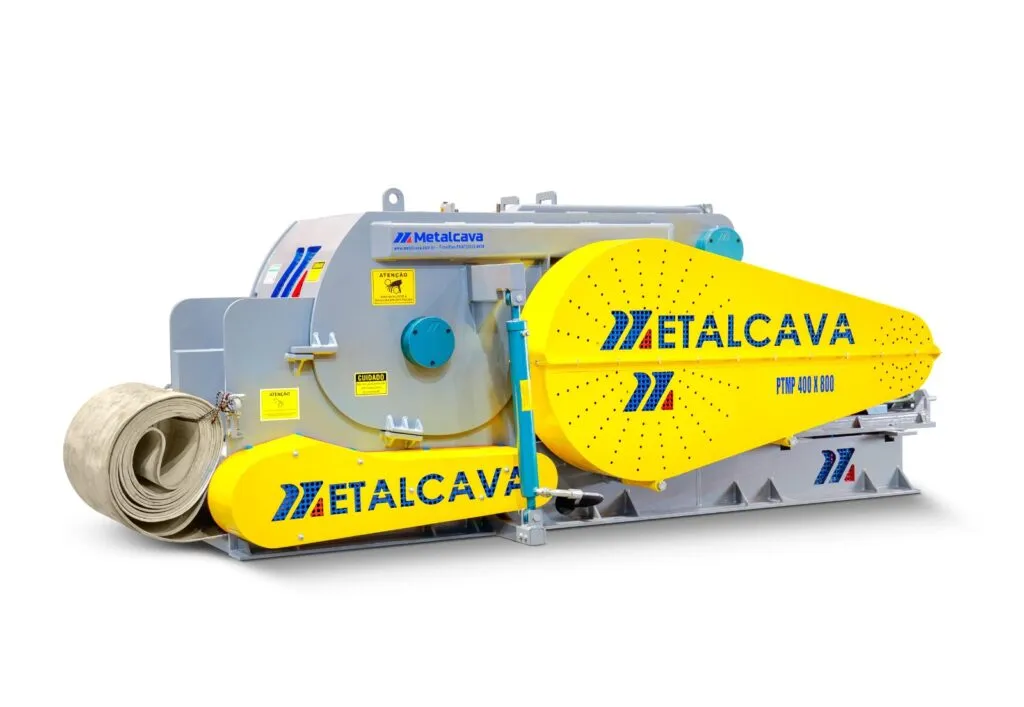
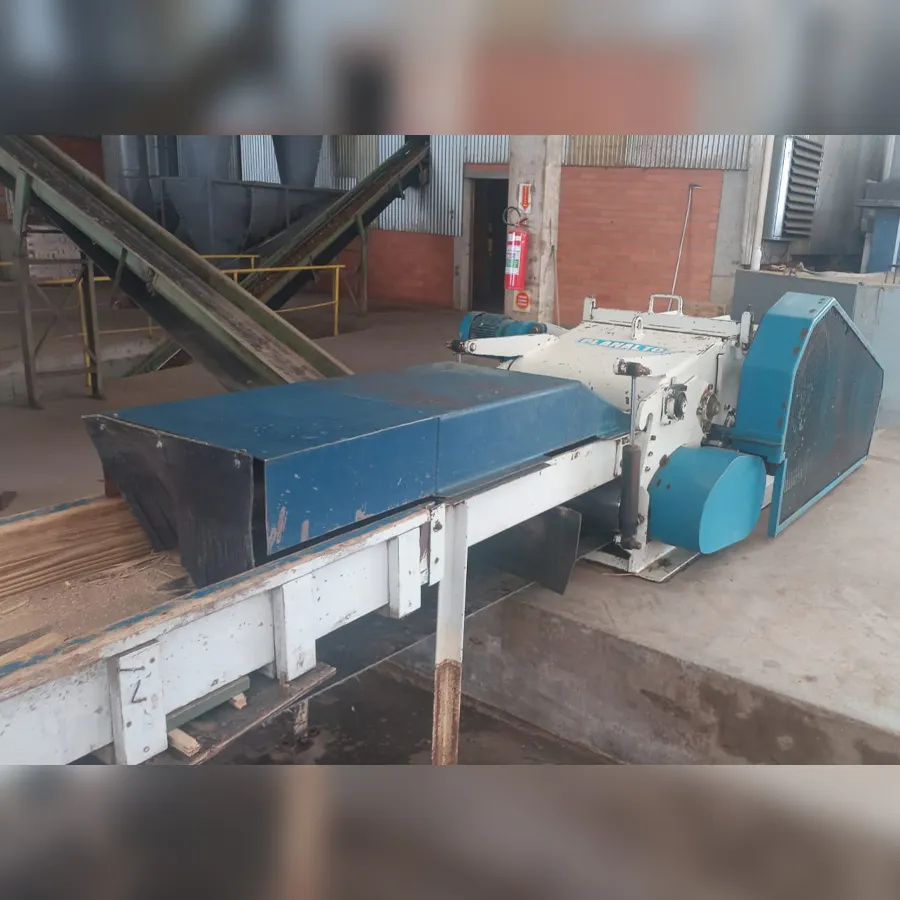
Chippers and Shredders
Condition
Category
Price Range
Drive
Filters
Condition
Lorem ipsum dolor ist amte, consectetuer adipiscing eilt. Aenean commodo ligula egget dolor. Aenean massa. Cum sociis natoque penatibus et magnis dis parturient montes, nascetur ridiculus mus. Donec quak felis, ultricies nec, pellentesque eu, pretium quid, sem.
Category
Price Range
Drive
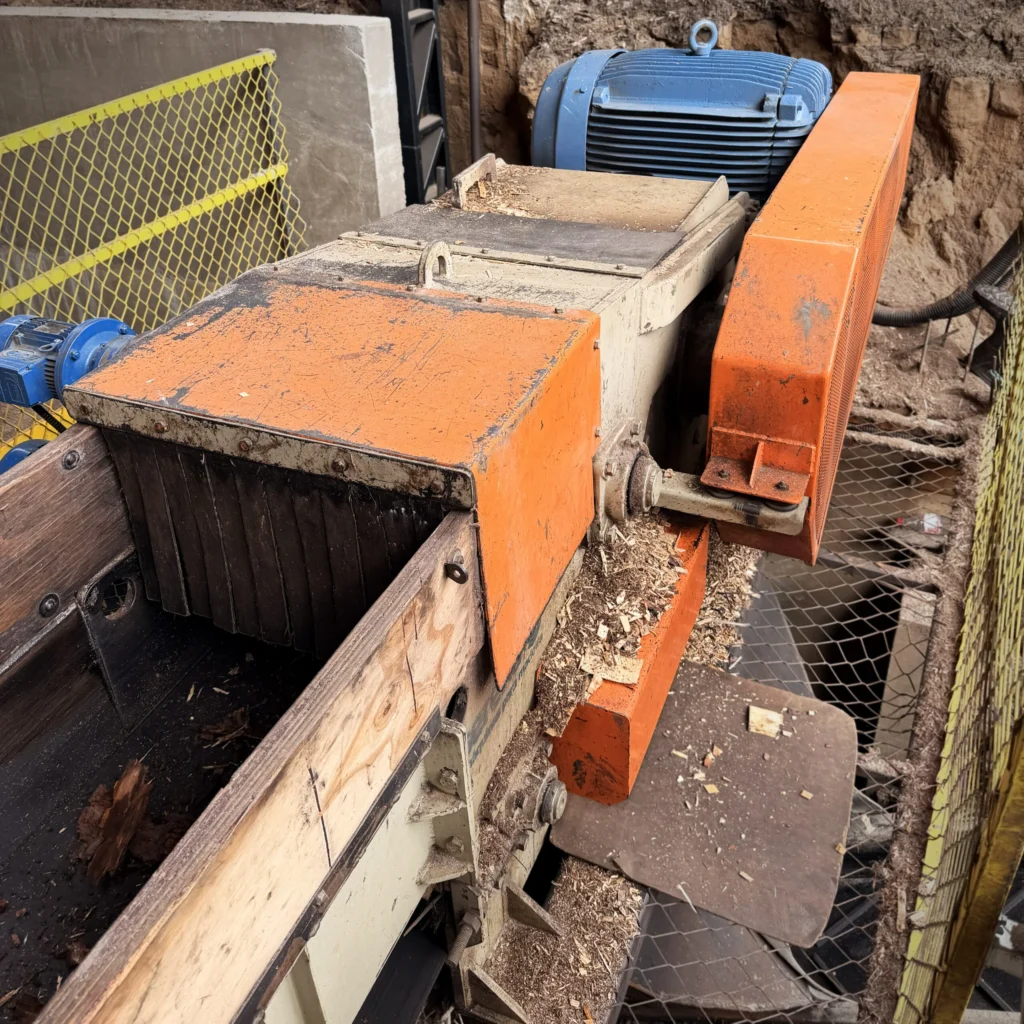
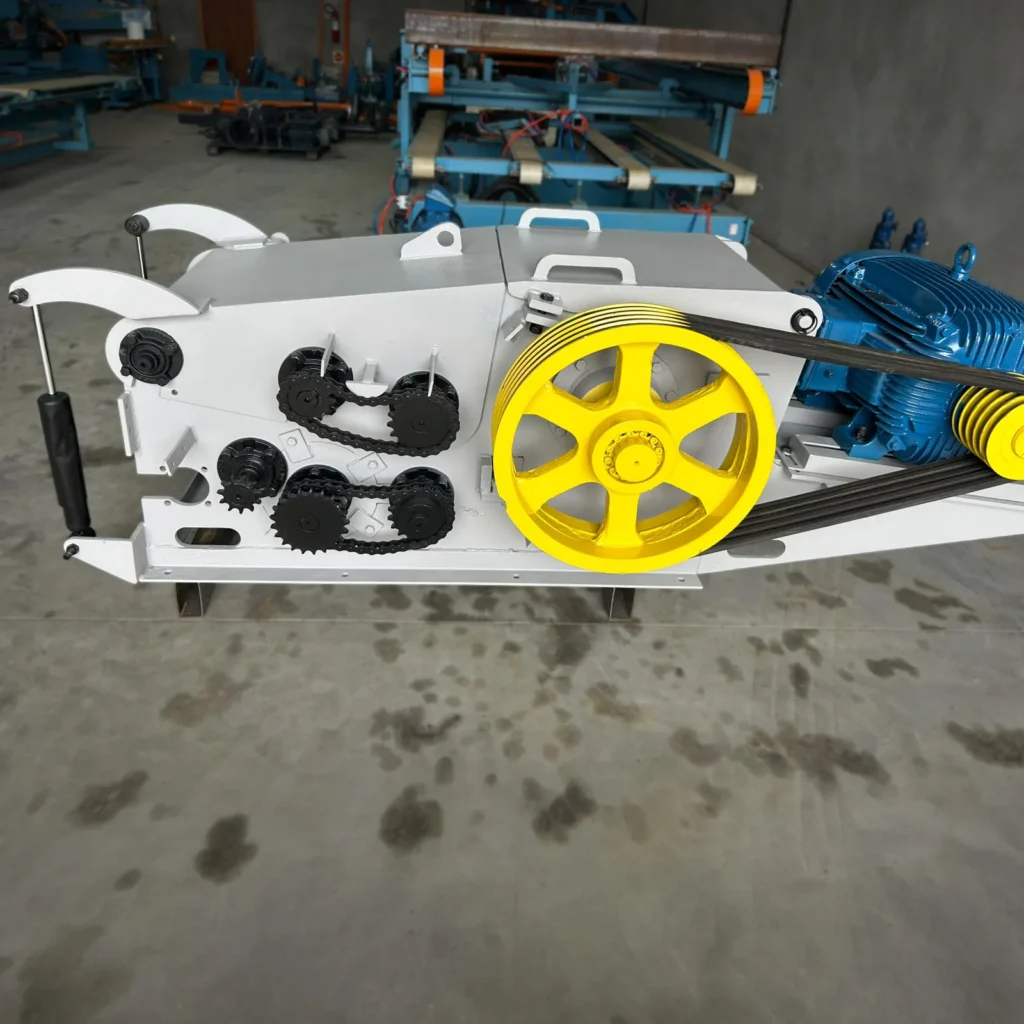
See the Machines in Action
-
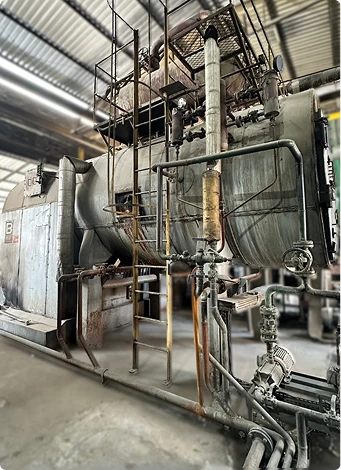
O custo de secagem vai muito além do valor de aquisição do secador
-
A pressão do vapor é um dos fatores mais importantes no processo de secagem, mas o desempenho do equipamento vai além disso.
-
Equipamento bom não se prova em apresentação, se prova em operação.
-
Saída do secador de lâminas sem nenhum funcionário? Sim, é possível.
-
Em operações de alta escala, não existe espaço para instabilidade.
-
Arredondador de toras chines
Frequently Asked Questions
1. What is the difference between a wood chipper and a wood shredder?
A chipper is normally used to turn logs, slabs, offcuts and other wood residue into chips with more controlled dimensions. A shredder generally handles the reduction of more irregular or bulky material and may produce less uniform particles. The choice depends on the input material and the result you need.
2. How do I choose the right chipper for the material I process?
You need to assess the type of wood or residue, the diameter and length of the pieces, the target production capacity, the chip particle size and the available power. These figures make it possible to compare feed opening, cutting system, power and machine configuration.
3. What log diameter and length can the chipper handle?
As a general market reference, small chippers usually handle logs up to 15-20 cm in diameter, mid-size models 25-35 cm, and industrial units can exceed 40-50 cm. These figures vary with rotor design, feed system and installed power, and serve only as a starting point: the actual limit of each model must be confirmed on its datasheet. For a reliable recommendation, it is important to state the maximum and average dimensions of the material to be processed.
4. Does the size of the feed opening affect machine capacity?
Yes. The opening defines the maximum size of material that can be fed in, but it does not determine productivity on its own. Power, feed speed, number of knives, sharpening condition, wood species and moisture also affect output.
5. How do I determine the power needed for an industrial chipper?
As a reference range, small chippers usually run 15 to 50 hp motors, mid-size units around 150 hp, and high-capacity industrial models may require 200 hp or more. These numbers are indicative and do not replace technical calculation: final power must be sized according to the material, the input dimensions and the expected hourly output. Power below what is required can cause overloads and lower productivity; excessive power, when unnecessary, raises installation and operating costs.