
Steam Boilers
Condition
Category
Price Range
Boiler Capacity
Filters
Condition
Lorem ipsum dolor ist amte, consectetuer adipiscing eilt. Aenean commodo ligula egget dolor. Aenean massa. Cum sociis natoque penatibus et magnis dis parturient montes, nascetur ridiculus mus. Donec quak felis, ultricies nec, pellentesque eu, pretium quid, sem.
Category
Price Range
Boiler Capacity
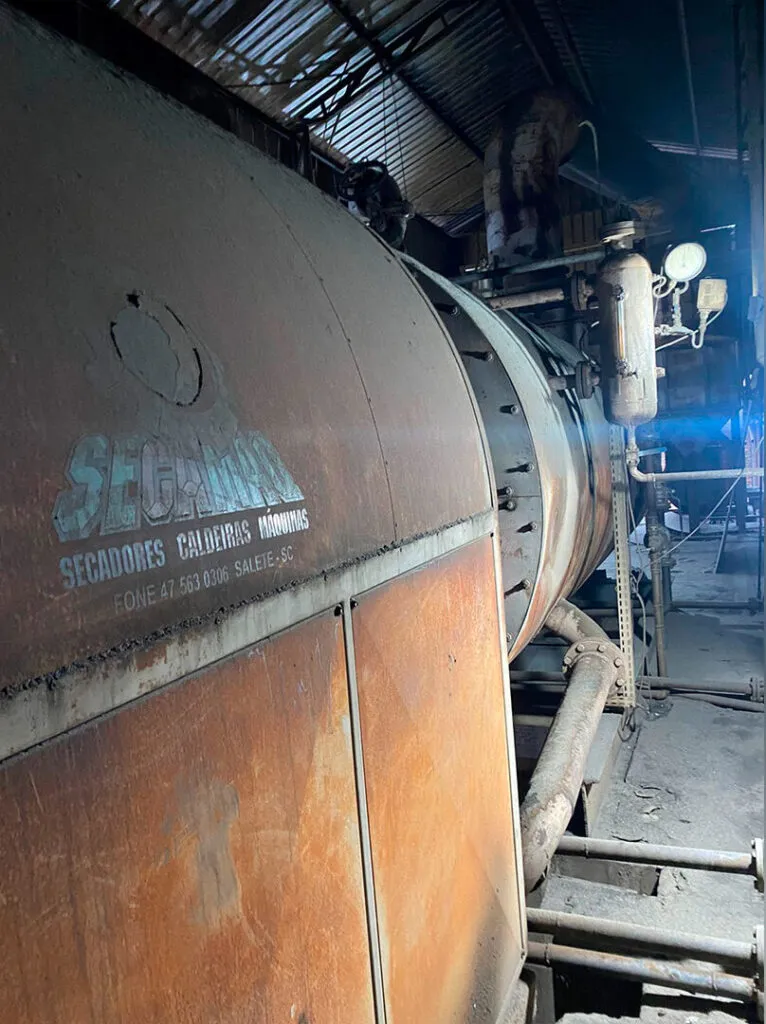
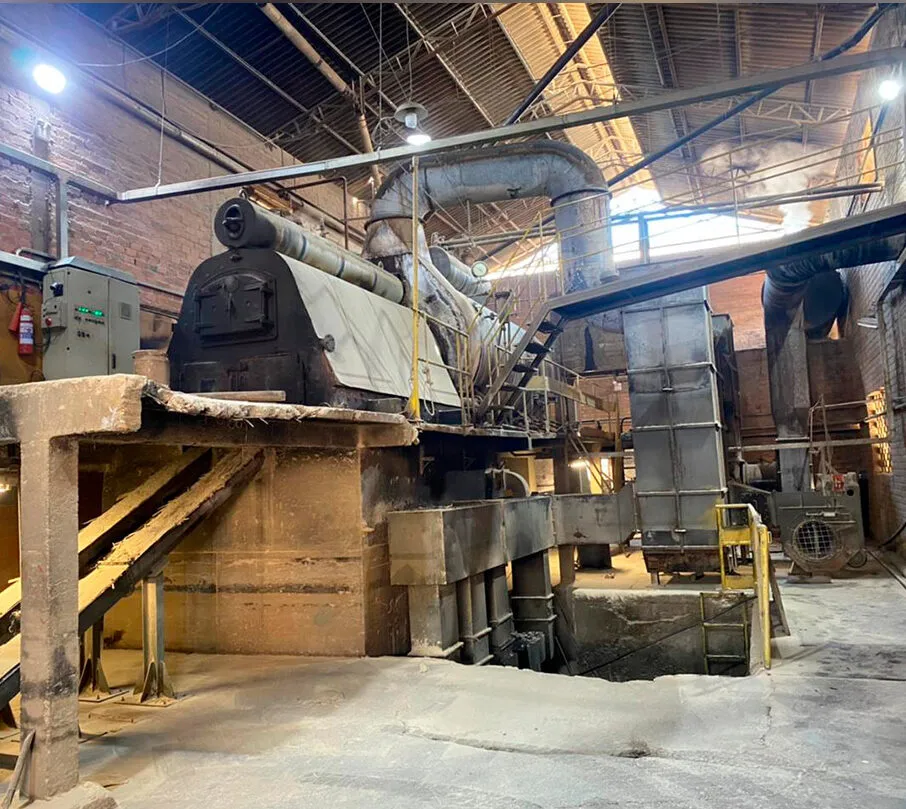
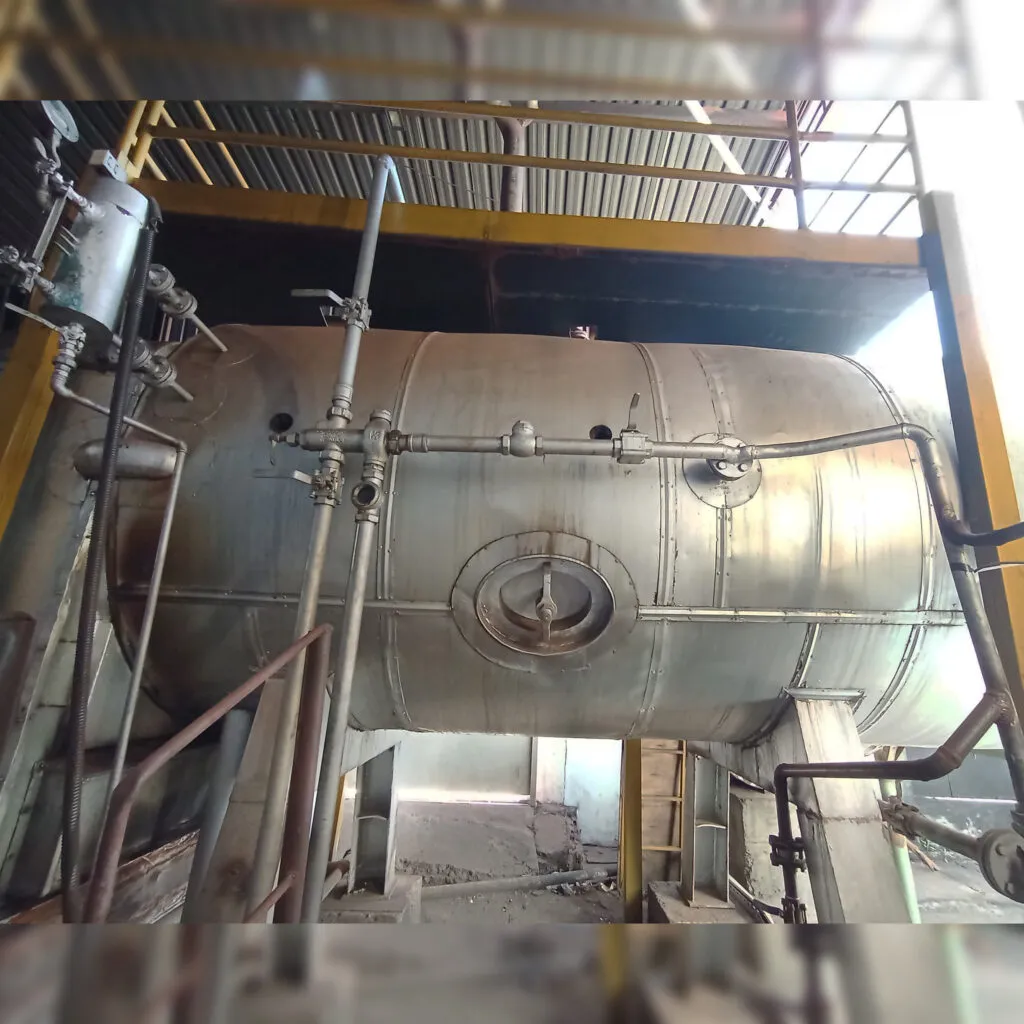
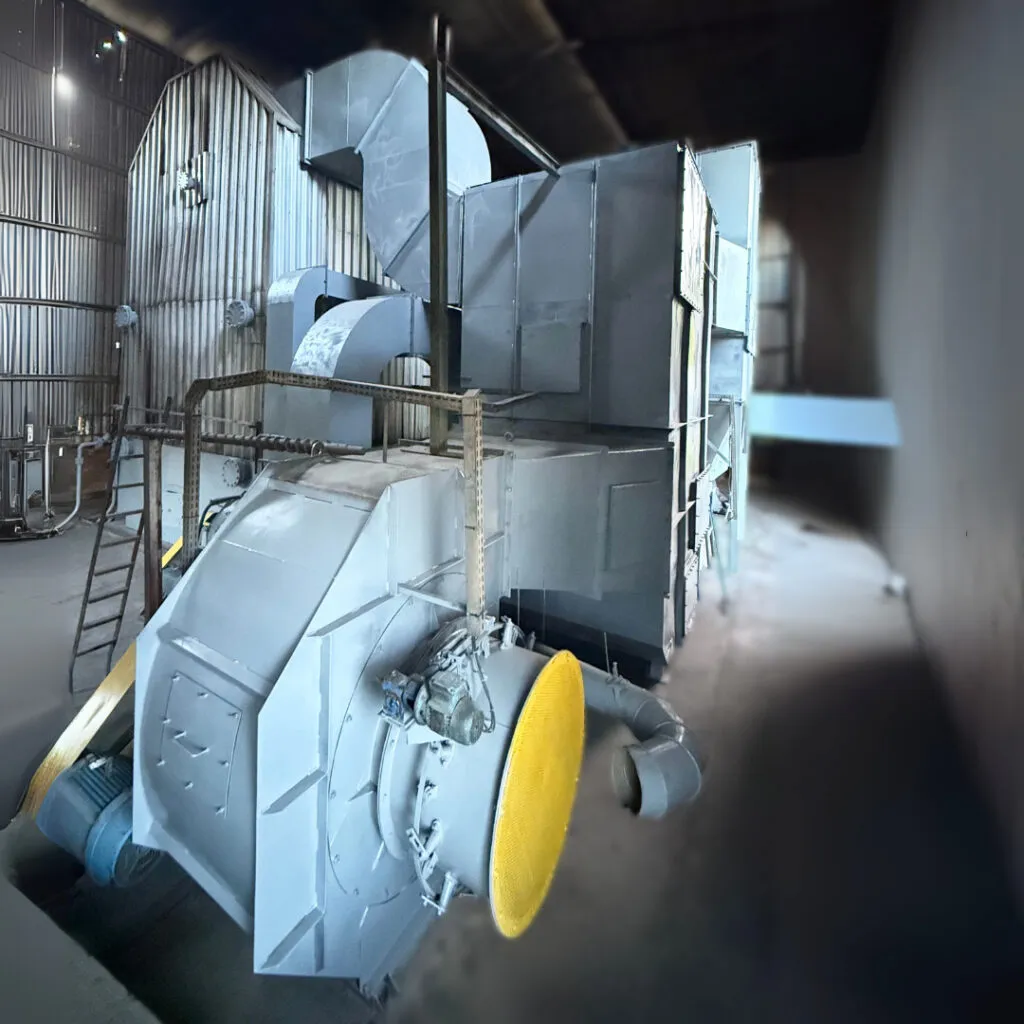
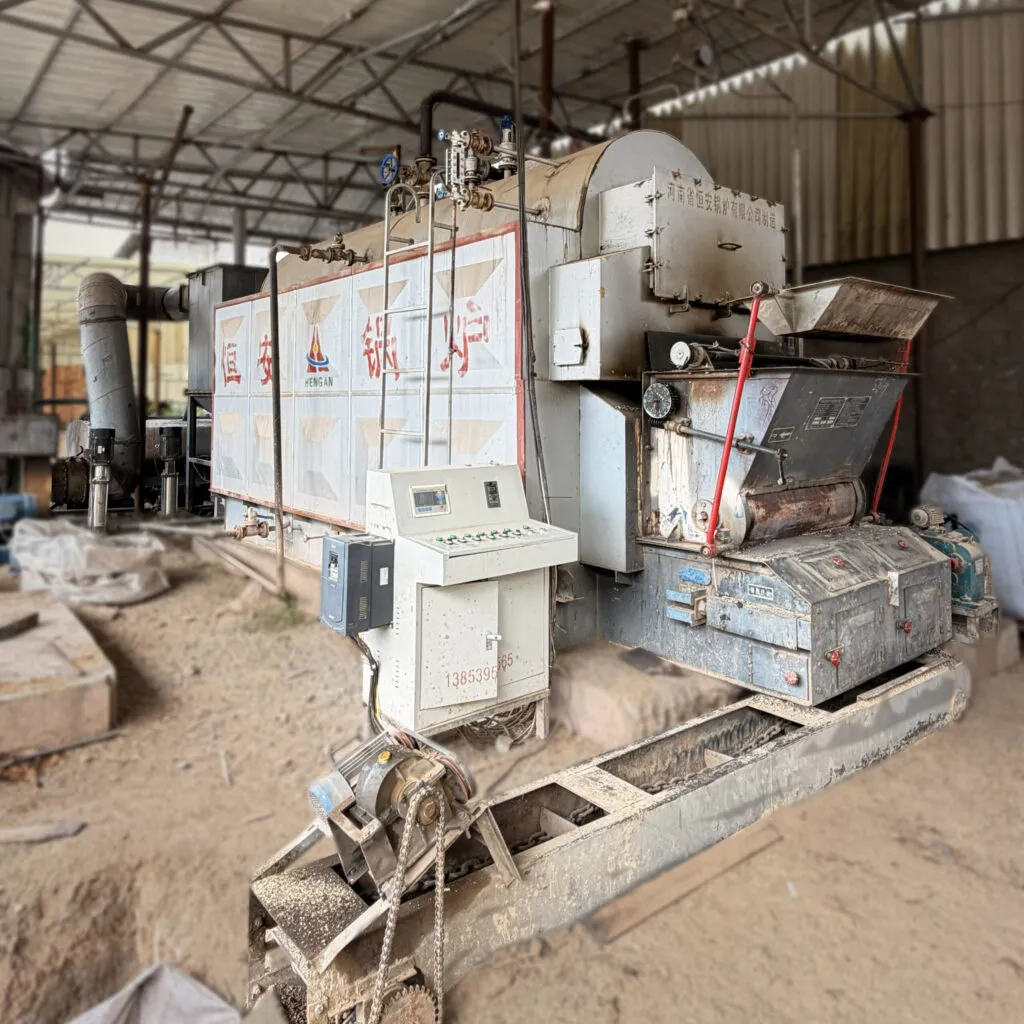
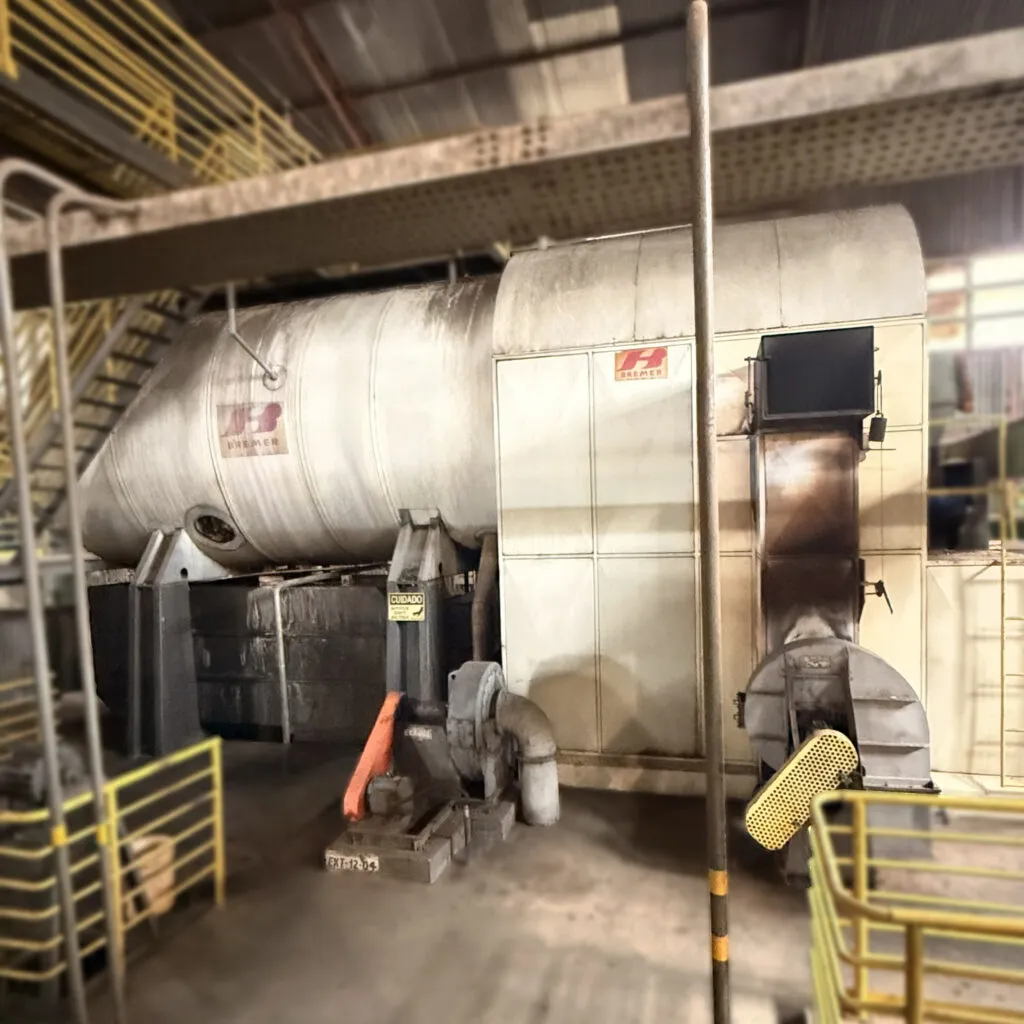
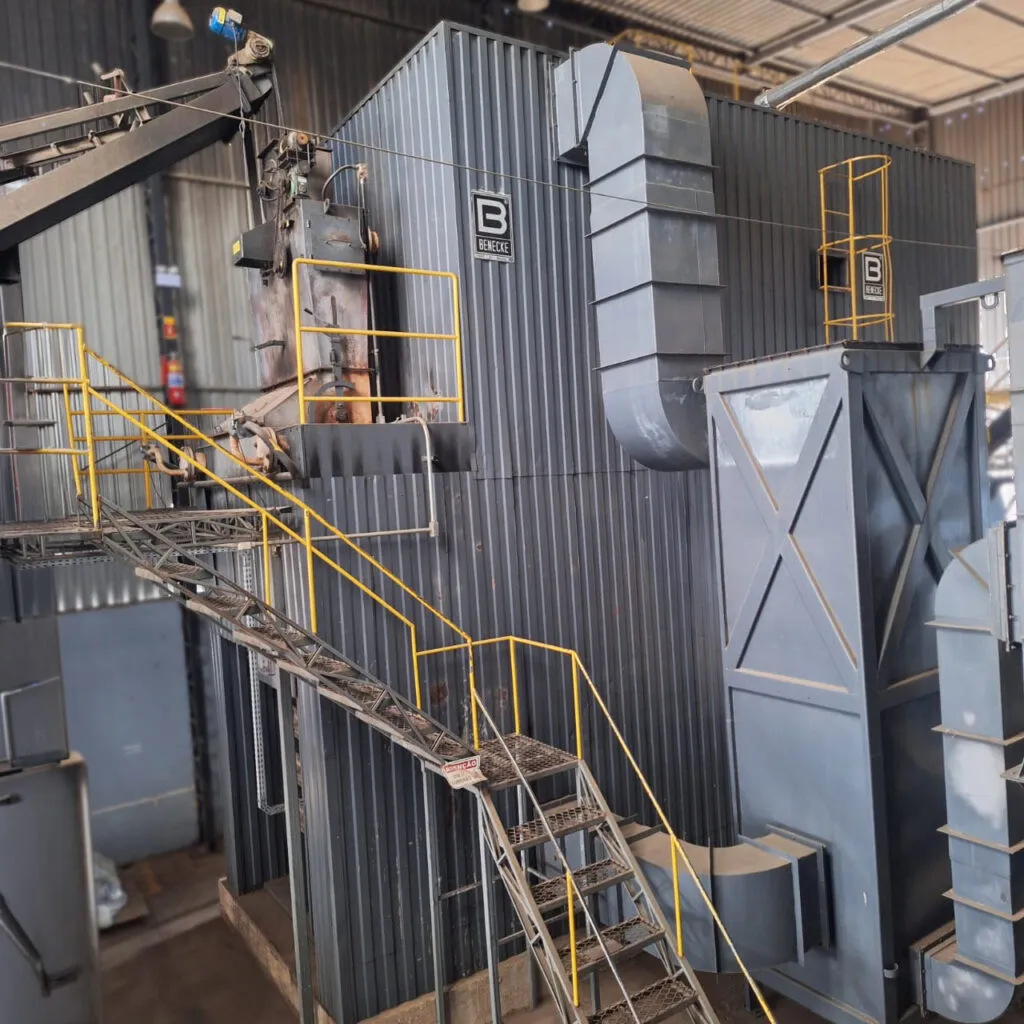
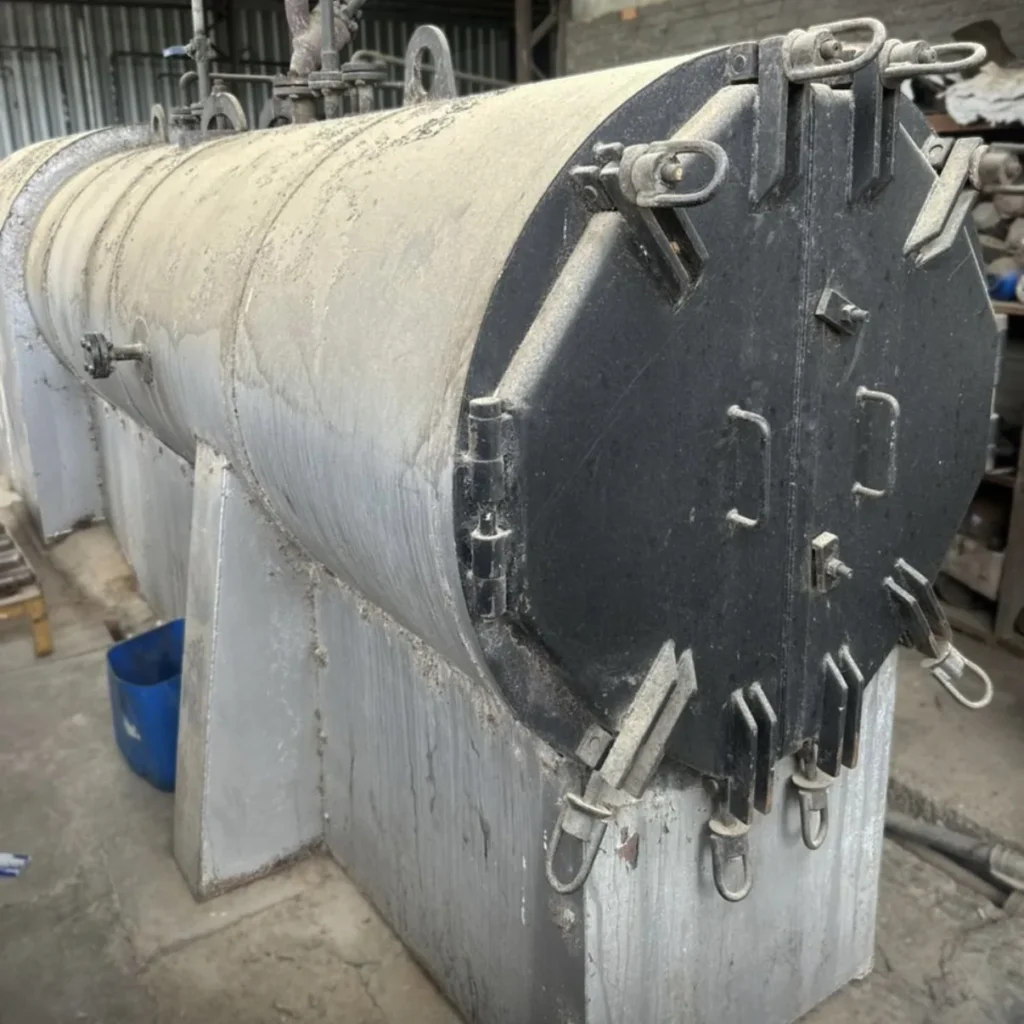
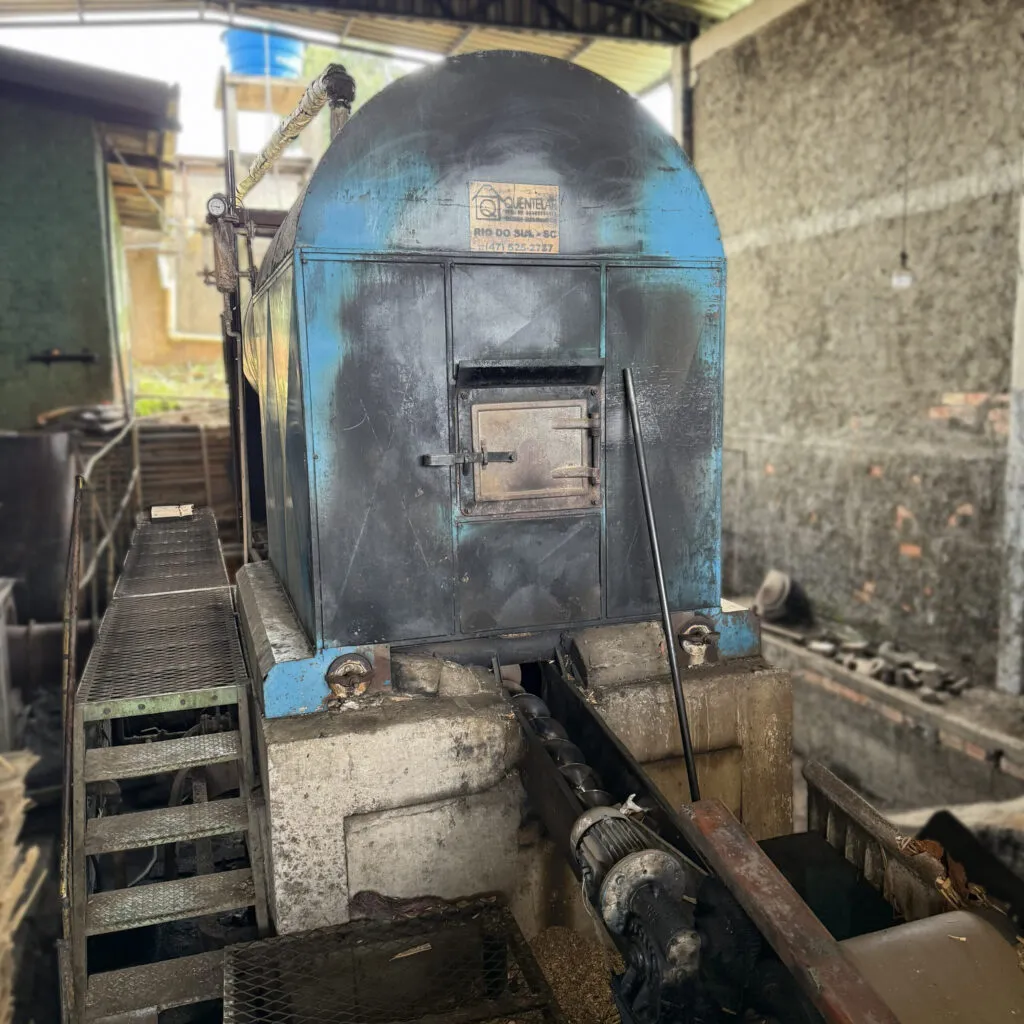
See the Machines in Action
-
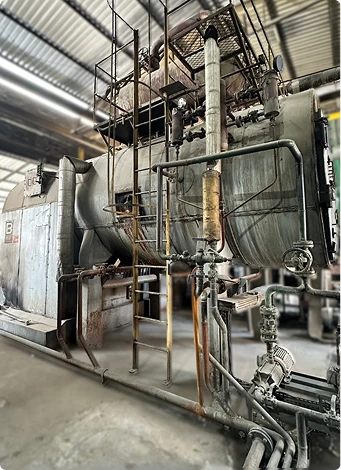
O custo de secagem vai muito além do valor de aquisição do secador
-
A pressão do vapor é um dos fatores mais importantes no processo de secagem, mas o desempenho do equipamento vai além disso.
-
Equipamento bom não se prova em apresentação, se prova em operação.
-
Saída do secador de lâminas sem nenhum funcionário? Sim, é possível.
-
Em operações de alta escala, não existe espaço para instabilidade.
-
Arredondador de toras chines
Frequently Asked Questions
1. How do I choose the right capacity for a steam boiler?
As a market reference, small boilers usually operate in the 1 to 5 t/h range, mid-size units between 5 and 15 t/h, and large equipment above 15 t/h. Actual sizing, however, must account for the simultaneous steam demand of the equipment, operating pressure, demand peaks, line losses and an appropriate technical margin, and should be carried out with the support of a qualified professional to avoid both steam shortage and oversizing.
2. What do capacity in t/h and pressure in bar mean?
Capacity in tonnes per hour indicates how much steam the boiler can generate under a given operating condition. Pressure in bar indicates the working pressure of the steam. Both figures must be compatible with the industrial process and with the design limits of the equipment.
3. Which fuels can be used in an industrial boiler?
Depending on the design, the boiler can run on biomass, wood chips, firewood, pellets, gas, oil or other approved fuels. Switching fuel should never be done without technical analysis, since it affects the furnace, the feed system, combustion, emissions and the safety systems.
4. What is the difference between a fire-tube and a water-tube boiler?
In a fire-tube boiler, hot gases travel inside the tubes, heating the water around them; this type usually covers small to medium capacities. In a water-tube boiler, water flows inside the tubes, which are heated externally, and it is more common at higher capacities and pressures. The final choice depends on capacity, pressure, operating response, application and process requirements.
5. What should be checked before installing a boiler?
You need to assess structural integrity, documentation, pressure and capacity, fuel, water treatment, the stack, the feed system, the steam network, safety devices, the installation area and compliance with NR-13 (the Brazilian standard for boilers and pressure vessels). Installation and commissioning must be carried out by legally qualified professionals.

The right boiler isn’t the most powerful one in the catalog. It’s the one that keeps your production line running efficiently, safely and at the lowest possible operating cost.
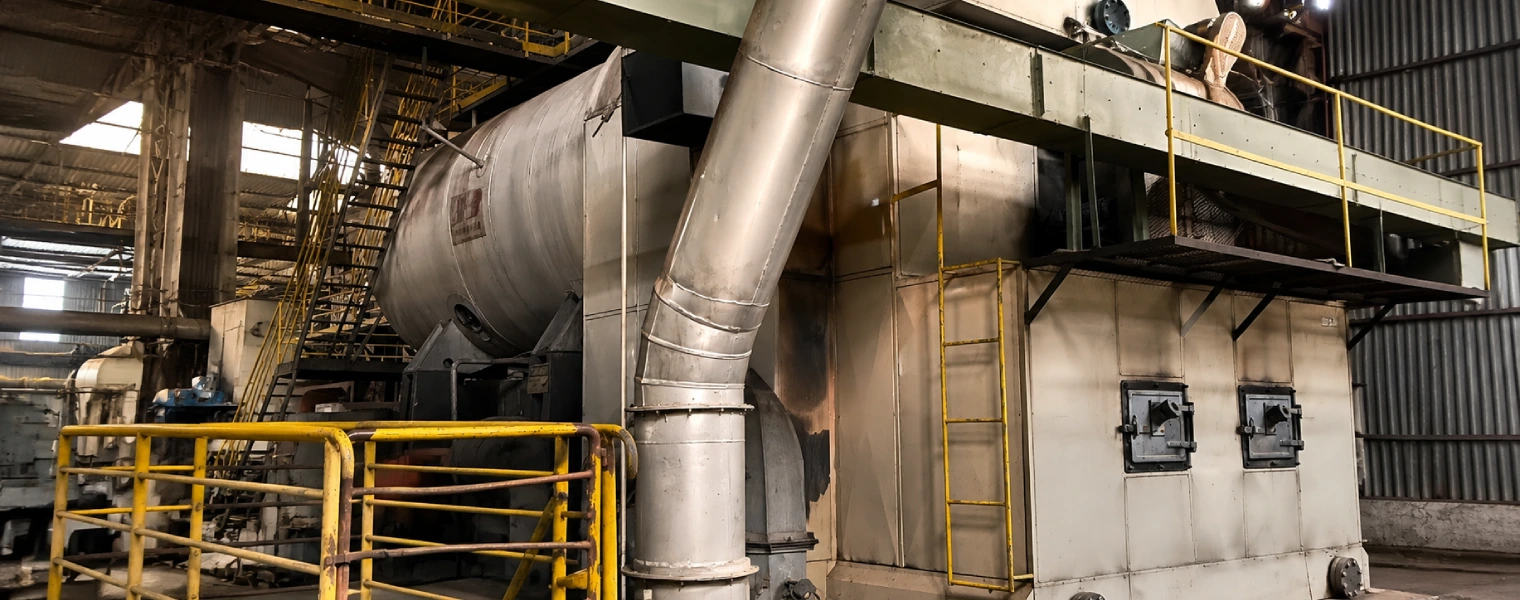
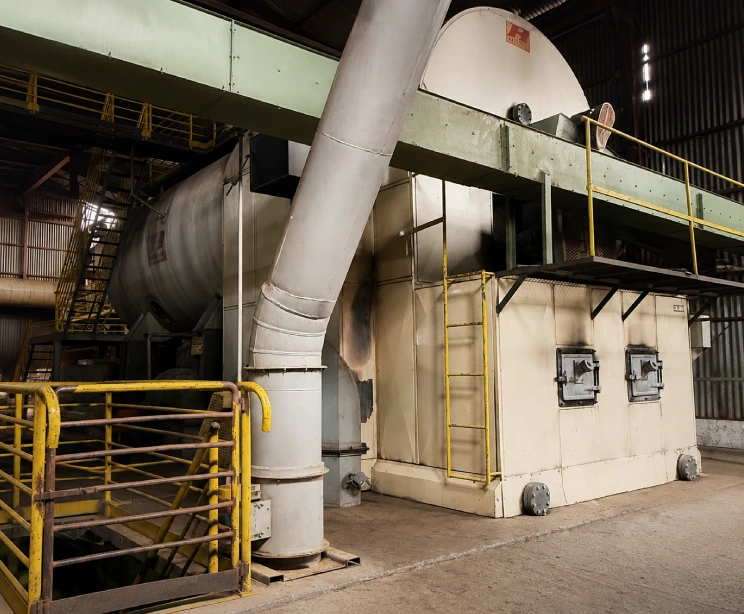
At Woodbriks, we work with fire-tube, water-tube and biomass boilers — new and pre-owned — serving sawmills, veneer mills, plywood mills and industries that rely on steam to dry, press and process wood.