



How to Choose the Right Wood Chipper for Your Sawmill
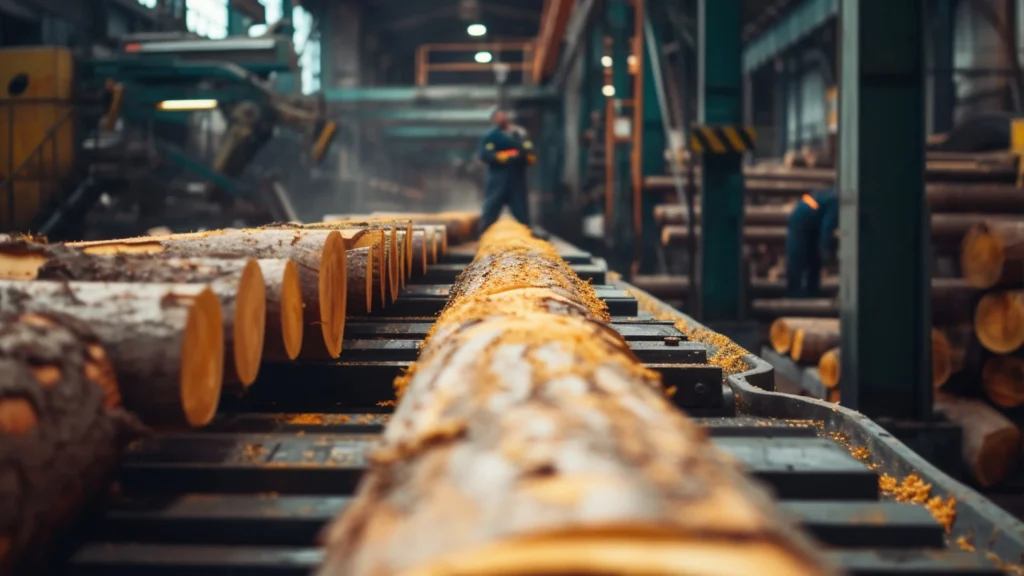
Choosing the right wood chipper helps you make better use of waste, cut costs and keep production organized. The decision should factor in the type of material, the volume processed and the expected output.
What Material Will Be Processed?
The first step is identifying the waste that will be chipped:
- Slabs;
- Branches;
- Bark;
- Offcuts;
- Sawmill scraps;
- Smaller-diameter logs.
Wood size, moisture content and hardness directly affect equipment choice.
Production Capacity
The chipper’s capacity has to match the volume of waste generated by the sawmill.
An undersized machine can create bottlenecks. An oversized one raises the investment and energy consumption without a proportional return.
Type of Feeding
The feeding system affects both productivity and safety.
Feeding can be manual or automated with conveyors, rollers and other handling systems. For larger volumes, automation tends to give the process more consistency.
Wood Chip Size
The end result also has to be defined before the purchase.
The wood chip can be used for:
- Boilers;
- Biomass production;
- Panels;
- Composting;
- Sale to other industries.
Each application may call for a different size and consistency.
Power and Consumption
Power output has to match the type of wood and the desired capacity.
It’s also important to assess energy consumption, since an oversized machine can unnecessarily raise operating costs.
Knives and Maintenance
The knives need to be good quality, easy to adjust and have spare parts available.
Before buying, also check:
- Ease of sharpening;
- Access to components;
- Spare parts availability;
- Lubrication system;
- Guards and safety devices.
New or Used Chipper?
A used chipper can offer good savings, as long as it’s in proper condition.
It’s essential to assess the knives, rotor, bearings, motor, structure, electrical system and maintenance history.
Conclusion
The right chipper is the one that matches the type of waste, the sawmill’s volume and what the wood chips will be used for.
Before investing, assess capacity, power, feeding, maintenance and operating costs.
Woodbriks buys and sells chippers and other equipment for the wood processing industry.
